
Villas in Khalifa City deal with pest pressure that most apartments never have to think about. A garden, an irrigation system, a garage, and several exterior walls all create opportunities for pests to find water, shelter, and a way inside. Apartment living limits most of that exposure to one sealed unit. A villa spreads it across an entire property.
That’s why pest control for a villa needs to start outside, not just at the kitchen counter. Gardens, drainage, garages, and storage areas all play a role, and a lot of the most effective prevention has nothing to do with spraying anything. It comes down to managing water, sealing gaps, and keeping outdoor spaces from turning into pest habitat.
This guide covers where pests get in, which ones to watch for, what homeowners can realistically do themselves, and when it’s time to bring in a professional.
Why Villas in Khalifa City Need Regular Pest Prevention
Several features of villa living create ongoing pest pressure that doesn’t apply the same way to apartments.
Gardens and landscaping give pests food, shelter, and cover. Dense plants near exterior walls, mulch beds, and garden debris all provide places for insects to live close to the house.
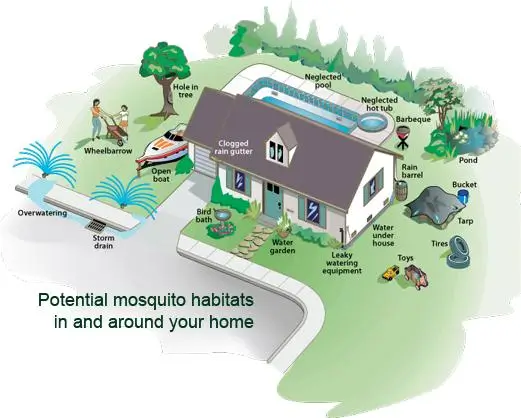
Irrigation systems are one of the biggest factors. A sprinkler system or drip irrigation that runs on a timer, sometimes without anyone checking it closely, can easily overwater a garden bed or develop a small leak that goes unnoticed. That moisture doesn’t stay in the garden. It seeps toward the foundation and creates conditions pests are drawn to. Standing water from poor drainage, blocked gutters, or low spots in the garden compounds this, giving mosquitoes a place to breed and other pests a reliable water source.
Outdoor seating areas used for dining can accumulate food debris and attract ants, flies, and cockroaches if they aren’t cleaned regularly. Garages and storage spaces often become a home for items that rarely get moved. Cardboard, stacked furniture, and general clutter all give rodents and insects a quiet place to nest, indoors or in an outdoor shed.
Food and waste management matters both indoors and outdoors. A villa typically has more waste storage points than an apartment, including outdoor bins, which need to be sealed properly.
Gaps around doors, windows, and utility penetrations are common in older villas or ones with worn weather seals. Small openings where pipes and cables pass through exterior walls are often never fully sealed during construction, and they make an easy entry point for insects and even small rodents. For a villa that is still being built, pre-construction termite treatment protects the soil before the slab goes down.
None of this means Khalifa City has a unique or unusually severe pest problem compared to other villa communities in Abu Dhabi. These are simply the conditions that come with villa-style living, garden space, and irrigation, and they apply to most villa properties across the emirate.
10 Pest Control Tips for Villas in Khalifa City
1. Keep garden irrigation under control
Check irrigation timers and drip lines periodically for leaks or overwatering. A cracked line or a timer running too long can keep garden beds consistently damp, which supports ants, mosquitoes, and other moisture-loving pests. Walk the garden after irrigation runs and look for puddling or unusually soft, wet soil.
2. Remove standing water
Empty containers that collect rainwater, check plant saucers and planters for pooling, and cover pools when they’re not in use if that’s practical. Low points in the garden where water sits after irrigation or rain are the most likely mosquito breeding spots on the property.
3. Seal gaps around the villa
Check door thresholds, window frames, and any visible gaps where pipes or cables enter the building. Weather stripping and sealant close off many of the small openings pests use to get inside. This is one of the most effective long-term prevention steps because it addresses entry rather than just activity.
4. Store food properly
Keep pantry items in sealed containers, clean up crumbs and spills promptly, and store pet food in closed containers rather than leaving bags open in a garage. Exposed food is one of the main reasons ants, cockroaches, and rodents move into a kitchen or storage area.
5. Keep drains and damp areas clean
Kitchens, bathrooms, and utility rooms all have drains that collect organic buildup over time, which attracts flies and some cockroach species. Outdoor drains near patios or garden areas need the same attention, since blocked drainage creates standing water close to the house.
6. Maintain plants and landscaping
Trim vegetation back from exterior walls so branches and dense foliage don’t create a direct bridge between the garden and the building. Overgrown plants touching the house give pests cover and an easy route toward gaps in the exterior.
7. Check garages and storage areas
Go through garages and storage spaces periodically and clear out clutter, especially cardboard, which rodents and some insects use as nesting material. Store items in sealed plastic bins rather than open boxes, and keep them off the floor when you can.
8. Watch for termite signs
Check exterior walls, wooden fixtures, and areas where soil meets the building for mud tubes, damaged or hollow-sounding wood, or discarded wings. These signs don’t appear only at one time of year, so it’s worth checking periodically rather than only after a specific season.
9. Keep outdoor areas clean
Cover food during outdoor meals, clean up spills right away, and make sure outdoor bins are sealed and don’t overflow. Patios and outdoor seating areas that accumulate food residue are a consistent draw for ants, flies, and cockroaches.
10. Schedule professional inspections when needed
Regular self-checks catch a lot, but some issues, especially termites and recurring infestations, are hard to identify without training. A professional inspection is worth scheduling when you notice recurring activity, signs of termite damage, or anything that doesn’t resolve with the steps above. These steps work together rather than as isolated fixes. A villa that manages irrigation, seals entry points, and keeps food and waste under control will generally have far fewer pest problems than one that only reacts as issues appear.
Common Pests to Watch for Around Khalifa City Villas
Cockroaches
Cockroaches are drawn to moisture and food residue, making kitchens, bathrooms, and utility rooms the most likely indoor locations. Outdoors, they turn up near drains, garden debris, and damp areas close to the foundation.
Ants
Ants search for food and water and will move indoors readily if either is easy to access. Garden areas with mulch or decaying plant material can also support colonies close to the house, with kitchens and pantries as the usual indoor target.
Mosquitoes
Standing water is the central issue for mosquitoes. Irrigation runoff, poorly draining planters, pool covers that collect rainwater, and blocked garden drains all create breeding conditions. Villas with gardens or pools generally have more to manage here than apartments do.
Termites
Termites are drawn to wood and moisture, and villa gardens with soil contact against the building create more opportunities to reach structural wood than a sealed apartment unit would. Early detection through periodic checks matters more than trying to time an inspection around a particular season.
Rodents
Rodents look for food, shelter, and a way indoors, making garages, storage areas, and gaps around exterior walls common access points. Dense vegetation or accessible waste in the garden can also support rodent activity close to the house.
Flies
Flies are typically drawn to waste, food residue, and drains, indoors and outdoors. Outdoor bins and uncovered food during garden gatherings are common triggers.
Wasps and Other Flying Insects
Eaves, balconies, and garden structures are typical nesting spots for wasps, particularly during warmer months when nesting activity increases. A visible nest near an entrance or seating area is worth having assessed rather than approached directly.
Bed Bugs
Bed bugs aren’t connected to garden conditions or irrigation. They travel through luggage, furniture, and contact with infested items, so a well-maintained garden won’t prevent a bed bug problem that comes from unrelated exposure. Bites or small blood spots on bedding call for prompt attention regardless of anything else going on around the property.
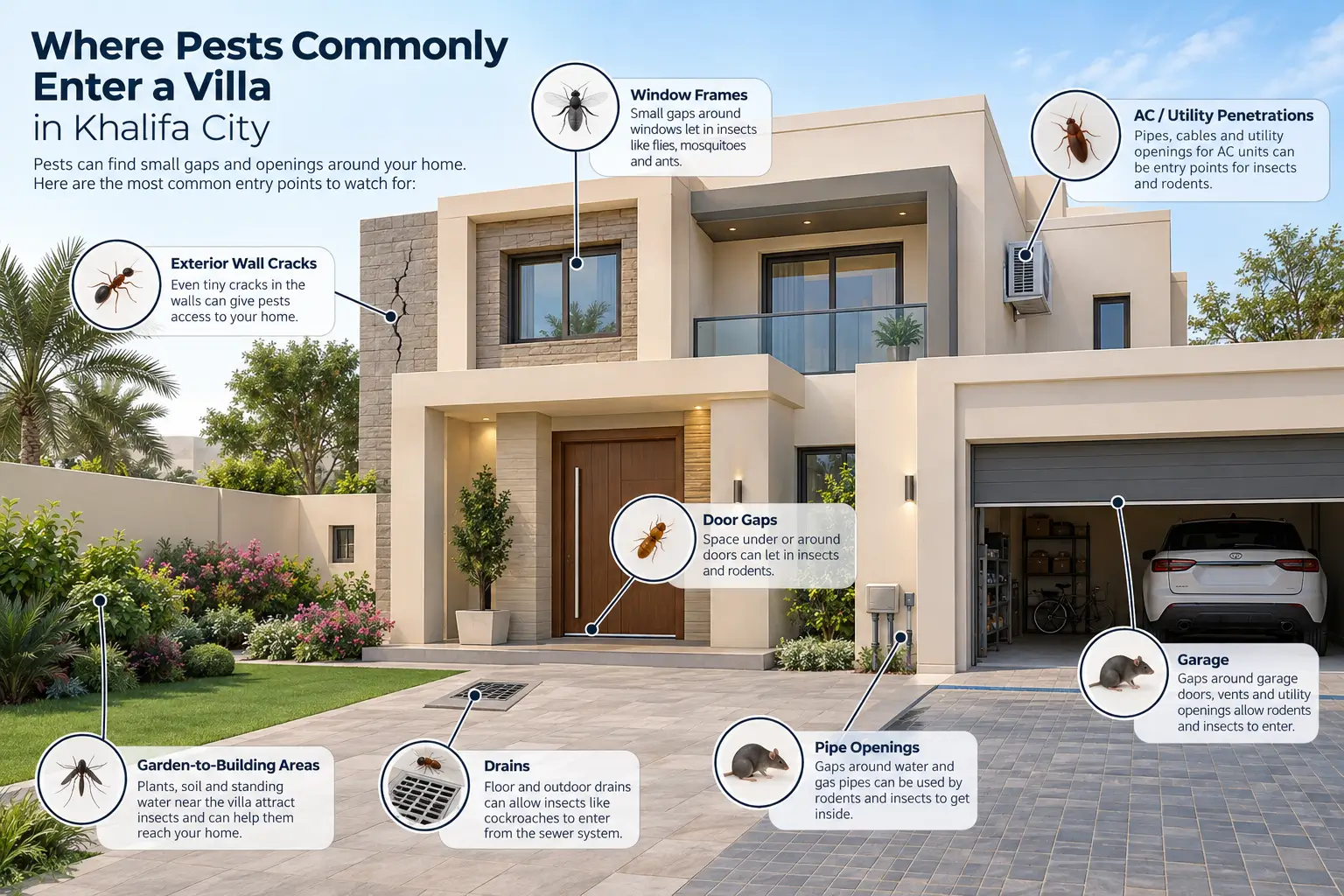
Where Pests Commonly Enter a Villa

| Entry Point | What to Check |
|---|---|
| Door gaps | Worn weather stripping, gaps under thresholds |
| Window frames | Cracked seals, gaps where frames meet the wall |
| Garage doors | Gaps at the base or sides, especially on older doors |
| Drainage points | Blocked or damaged drain covers, standing water nearby |
| Pipe openings | Gaps where plumbing enters the building |
| AC and utility penetrations | Unsealed openings where cables or lines pass through walls |
| Cracks around exterior walls | Hairline cracks near the foundation or wall joints |
| Roof or service areas | Gaps around vents, roof access points, or service openings |
| Garden-to-building areas | Vegetation touching the wall, soil piled against the foundation |
Checking these spots periodically, especially after landscaping changes, catches most of the access points pests rely on.
How Gardens and Irrigation Affect Pest Problems
Garden conditions have a direct effect on pest activity around a villa, and irrigation is usually the biggest variable.
Overwatering keeps soil consistently damp, which supports ants and creates favorable conditions for mosquito larvae in any low spots where water collects. A leaking irrigation line does the same thing even in a garden that isn’t intentionally overwatered, since leaks can go unnoticed for a while if they’re underground or hidden by plants. Poor drainage compounds the issue: water from irrigation or rain that doesn’t drain away properly collects near the foundation or in garden beds, giving mosquitoes a breeding site and keeping the soil damp enough to interest termites.
Dense vegetation against exterior walls gives pests cover and a path toward the building, and plant debris left to decompose can attract flies, ants, and cockroaches. Outdoor storage of pots, tools, or unused materials adds further shelter, since piles of stored items are rarely disturbed and make convenient nesting spots for insects and small rodents.
Water pooling around foundations or exterior walls, whatever the source, is one of the more serious issues to address, since it affects both moisture-related pests and long-term structural risk from wood-damaging insects. Managing irrigation and drainage well is one of the most effective things a villa owner can do, since it addresses the source of pest activity rather than reacting to it after pests are already inside.
DIY Pest Prevention vs Professional Pest Control
Homeowners can usually start with:
- Sealing entry points around doors, windows, and utility penetrations
- Fixing irrigation leaks and correcting overwatering
- Removing standing water from planters, drains, and low spots in the garden
- Improving food storage indoors and in the garage
- Managing waste and keeping bins sealed
- Cleaning drains regularly
- Maintaining landscaping and keeping vegetation clear of exterior walls
- Reducing clutter in garages and storage areas
Professional pest control may be appropriate for:
- Recurring cockroach infestations that don’t improve with cleaning and sealing
- Termites or any suspected termite activity
- Rodents, particularly once they’re established indoors
- Bed bugs
- Persistent mosquito problems that continue despite addressing standing water
- A wasp nest, especially one near an entrance or frequently used outdoor area
- Any pest problem that keeps returning after prevention efforts
Homeowners shouldn’t attempt to mix pesticides or use unregulated products to deal with a serious infestation. If DIY steps aren’t resolving the problem, that’s a sign to bring in a professional rather than escalating home treatment.
How Often Should a Villa in Khalifa City Have Pest Control?
There’s no single schedule that fits every villa. How often professional pest control makes sense depends on the type of pest involved, whether the property has a history of infestation, garden and irrigation conditions, drainage quality, food and waste exposure, nearby construction or dense vegetation, and whether the current need is preventive maintenance or treatment for an active infestation.
A villa with well-managed irrigation, sealed entry points, and no history of infestation will generally need less frequent professional attention than one with a recurring cockroach or rodent issue. The right frequency comes from an inspection and a professional’s recommendation, not a fixed number that applies to every property.
Best Time to Schedule Pest Control for a Villa
Preventive treatment before the hottest months can be useful for many villas, since pest activity for several common species tends to increase as temperatures rise. This is a general pattern rather than a fixed rule, and it applies most directly to preventive maintenance rather than an active infestation. If pests are already present, whether that’s cockroaches, ants, rodents, or signs of termites, the right time to act is now, based on the evidence at the property, not a particular month. For a fuller breakdown of seasonal pest timing in Abu Dhabi, a separate guide covers that topic in more depth.
Also read > When Is the Best Time to Schedule Pest Control in Abu Dhabi?
When Should You Call a Pest Control Professional?
Certain signs are worth acting on right away rather than waiting to see if the problem resolves on its own:
- Repeated cockroach sightings
- Rodent sightings or droppings
- Termite mud tubes, damaged wood, or swarmers
- Signs of bed bugs, including bites or blood spots on bedding
- A visible wasp nest
- Persistent mosquitoes around the property despite addressing standing water
- Pests appearing in multiple rooms rather than one isolated area
- A recurring infestation after DIY prevention steps
These signs indicate the problem has moved beyond what garden maintenance and sealing can fix on their own, and a professional inspection will identify the source more reliably than continued self-treatment.
FAQs
How can I prevent cockroaches in my Khalifa City villa?
Keep kitchens and bathrooms dry, store food in sealed containers, clean drains regularly, and check for moisture near the foundation. Removing consistent food and water sources makes a villa far less inviting.
How do I keep mosquitoes away from my villa garden?
Address standing water first. Check irrigation for leaks or overwatering, clear blocked drains, and empty any containers or planters that collect water.
Do villa gardens attract pests?
Gardens aren’t the problem on their own, but overwatering, poor drainage, dense vegetation against exterior walls, and garden debris create conditions that can support pests. Well-maintained gardens with controlled irrigation are much less likely to cause issues
How can I prevent termites around my villa?
Keep soil and mulch from piling against exterior walls, check exposed or exterior wood periodically for damage, and address moisture buildup near the foundation. Early detection through regular checks matters more than timing treatment around a season.
What attracts rodents to villas?
Accessible food, cluttered garages or storage areas, and gaps around exterior walls or utility penetrations are the main draws. Sealing entry points and reducing clutter are the most effective prevention steps.
How often should a villa have pest control?
It depends on pest history, garden and irrigation conditions, and findings from a professional inspection. There’s no single frequency that applies to every villa.