
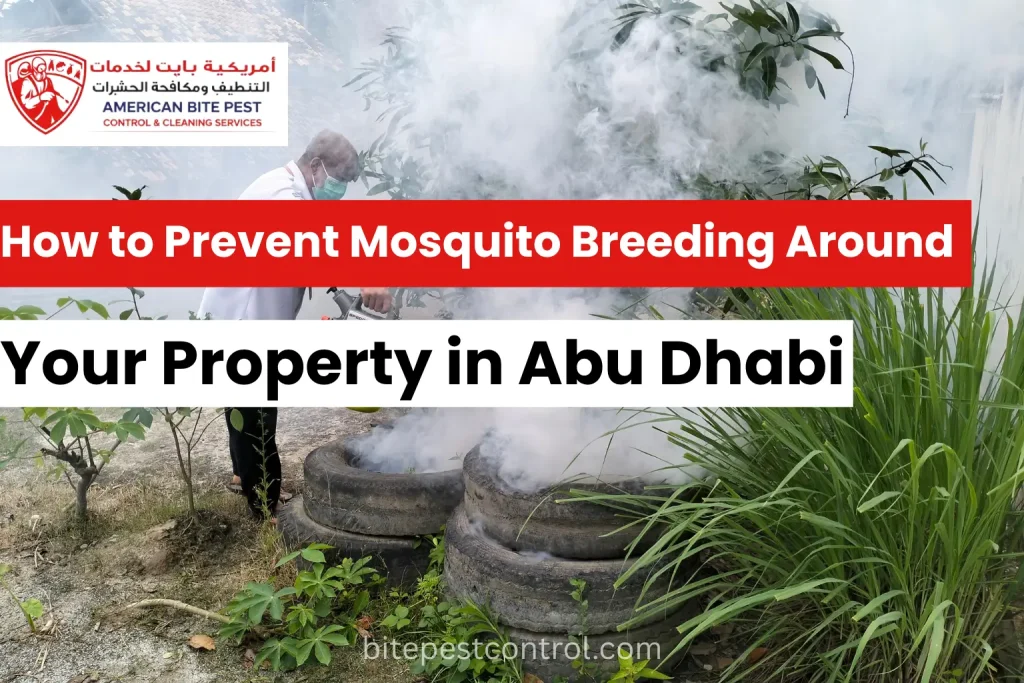
Mosquitoes do not need a pond to breed. A small amount of water sitting in a plant saucer, a bucket, a pool cover, or a blocked drain is enough for a female mosquito to lay eggs. Many Abu Dhabi property owners are surprised to learn that the mosquitoes bothering them in the evening are often breeding a few steps away, in a spot they walk past every day.
Checking your property regularly is the most reliable way to stop a mosquito problem before it starts. Abu Dhabi’s mosquito-control programs pay particular attention to breeding sites during the warmer, more humid months, which makes regular checks especially useful as temperatures rise. This guide covers exactly where mosquitoes breed around villas, apartments, and commercial properties in Abu Dhabi, and what to do about each spot.
Why Mosquitoes Breed Around Abu Dhabi Properties
Mosquitoes lay their eggs on or near still water, and the young mosquitoes that hatch cannot survive without it. This is why standing water, even a small cup’s worth, matters so much. Unlike pests that need food or shelter to settle in, mosquitoes really only need water that sits still for long enough, which is why removing the water matters more than any spray.
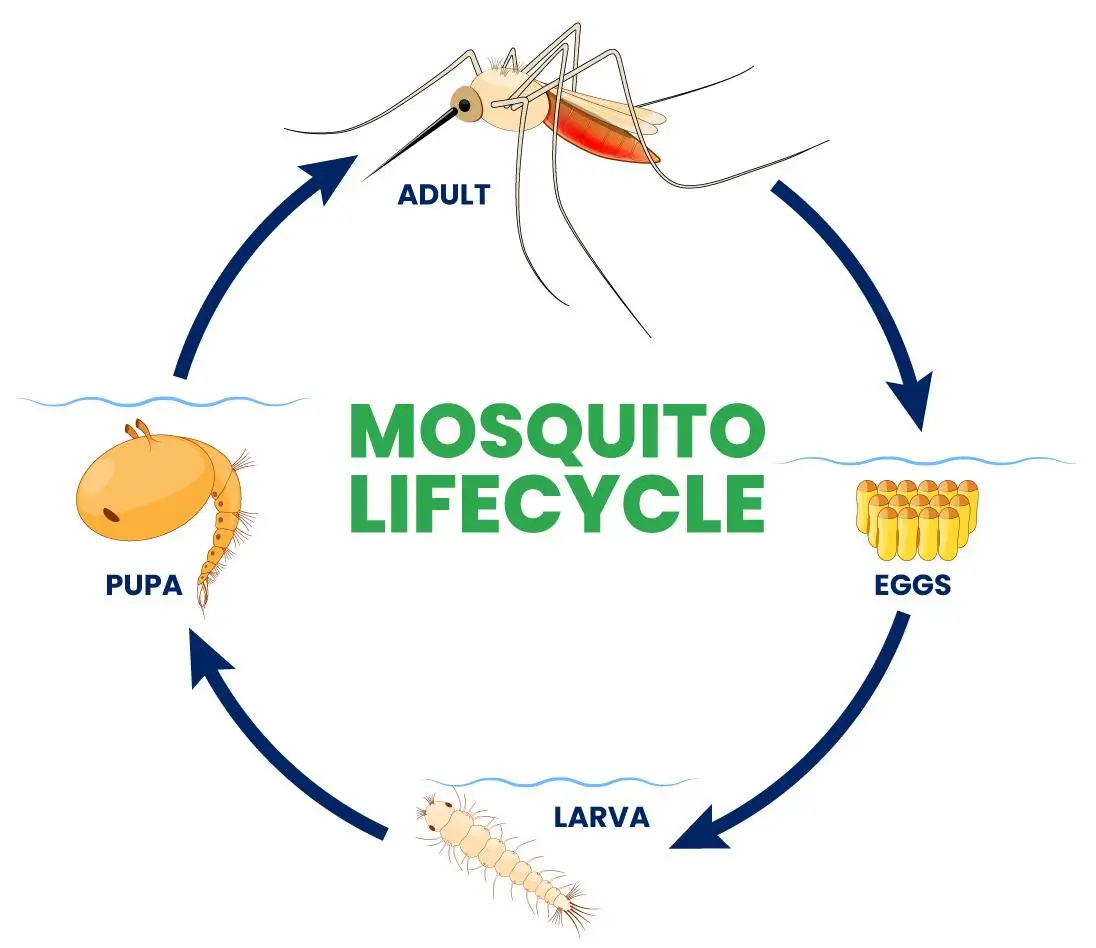
The mosquito life cycle has four stages:
- Egg – laid on or near still water
- Larva – hatches in the water and feeds there
- Pupa – a resting stage, still in the water
- Adult – emerges and flies away
The first three stages all happen in water, so all three can be stopped just by removing it. Warm conditions can move this cycle along quickly, which is why breeding sites left alone for a week or two can turn into a real mosquito problem. Public health programs in Abu Dhabi focus on finding and removing these sources, since stopping mosquitoes before they become adults is far more effective than treating a population that already exists.
Where Do Mosquitoes Breed Around a Property?
Most breeding sites are ordinary items that simply hold water for too long, not exotic or hard-to-find locations. Walk through each of these on your own property and be honest about how long water has actually been sitting in each spot.
Plant Pots and Saucers
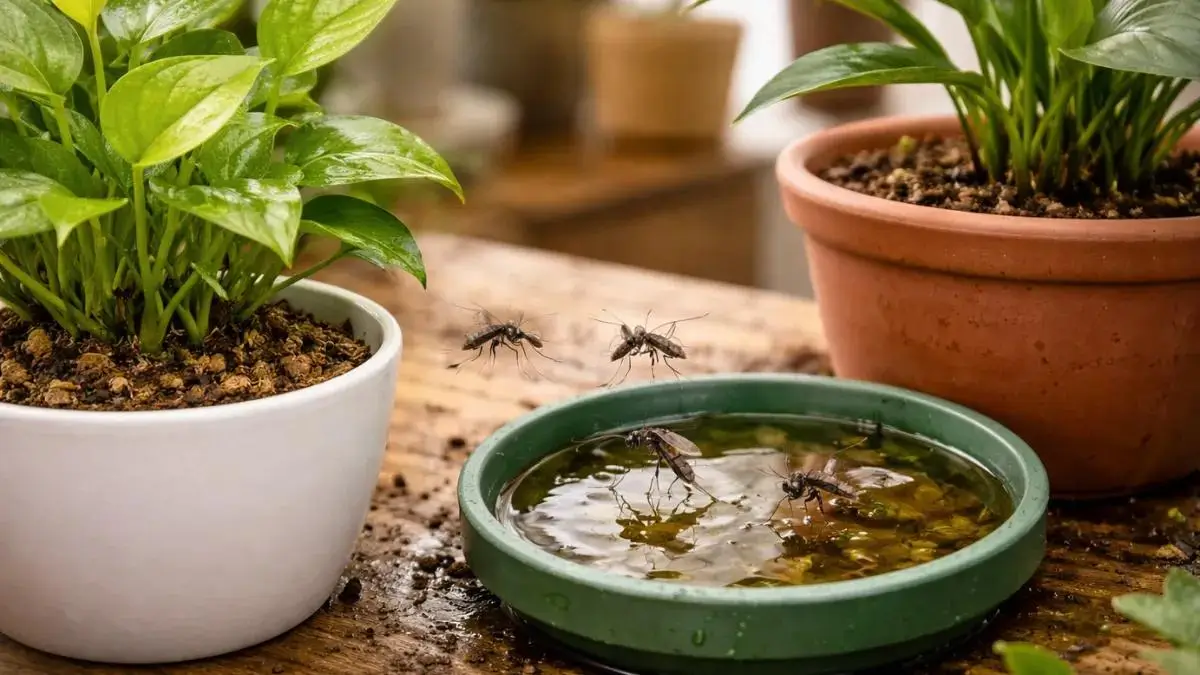
Water collects in the saucer under a plant pot every time it is watered, and that water often sits there for days because nobody checks underneath. This is one of the most consistently missed breeding sites, both indoors and outdoors, simply because the saucer is hidden by the pot itself.
Buckets, Containers, and Garden Items
Anything that can hold water is a potential breeding site: buckets, watering cans, spare plant pots, children’s toys left outside, containers with loose lids, and old tools or tires sitting in a yard. If it can hold even a small amount of rainwater or hose runoff, treat it as a risk until it is emptied, covered, or removed.
Swimming Pools and Pool Covers
A properly maintained, circulated pool is generally a poor breeding environment. The real risk is stagnant water sitting on top of a pool cover, in a neglected corner of the pool deck, or in an unused section of a larger commercial pool that is not part of the main circulation.
Water Tanks and Stored Water
Water tanks and storage containers should always have a secure, well-fitted cover, since a loose or damaged lid gives mosquitoes a way in. Never add pest-control chemicals to a water tank or any water meant for drinking or household use; if you are concerned about a storage tank, contact a licensed cleaning service or your building management instead.
Also read > Why Are Mosquitoes So Common Around Abu Dhabi Homes and Villas?
Drains and Areas With Poor Drainage
Blocked, slow, or poorly designed drains can hold water for days after rain or cleaning. This applies to outdoor drains, utility area drains near AC units, and low points where water collects and struggles to run off.
Garden Irrigation and Landscaping
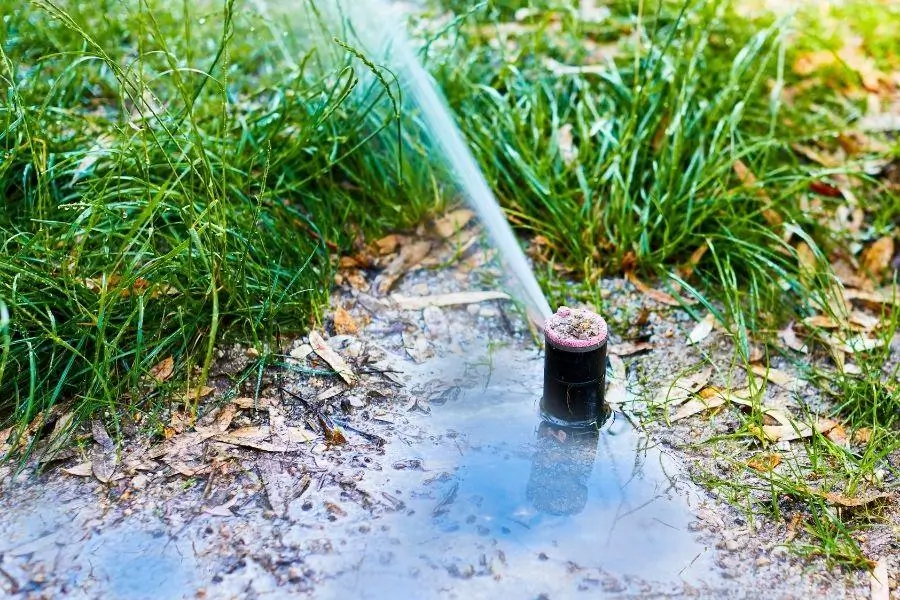
This is one of the most common issues on Abu Dhabi properties with gardens or landscaped compounds. Overwatering, leaking irrigation lines, and low spots in the soil can all leave water sitting for days; check the ends of irrigation lines, the base of large plants, and any dip where water pools after the system runs.
Balconies, Patios, and Outdoor Areas
Apartment balconies and villa patios often have small items that hold water without anyone noticing: ashtrays, saucers, bottle caps, and outdoor furniture with hollow legs or cushion covers that pool water after rain or cleaning.
Fountains and Decorative Water Features
Keep fountains and water features clean and running. If a pump is off or circulation stops, the still water can turn the feature into a breeding site within days. If a fountain will sit unused for a while, draining it is safer than leaving it half full.
Roofs and Utility Areas
Flat roofs and utility areas can collect water after cleaning, irrigation runoff, or an undetected leak, including a slow drip from an AC condensation line. These spots are easy to forget because they are not part of a normal daily walk around the property, so they deserve a specific check.
How to Stop Mosquitoes From Breeding Around Your Property
Once you know where to look, the fixes are straightforward.
Empty Standing Water Every Week
Set a weekly reminder to walk the property and empty anything holding water. A spot that was dry last week can become a breeding site by the time you check again, so treat this as a fixed habit rather than something you do only when you notice a problem.
Scrub Containers Before Refilling Them
Pouring water out is not always enough, since mosquito eggs can stick to the inside walls of a container even after it looks empty. Scrub the container with a brush before refilling it or putting it away.
Keep Water Containers Covered
Any container used to store water should have a tight-fitting cover with no gaps. A loose sheet or cracked lid gives mosquitoes direct access even if the water itself is clean.
Fix Leaks and Drainage Problems
Repair leaking irrigation lines, overflowing containers, and blocked drains as soon as you notice them. A small leak that seems minor can create a steady breeding site if it sits for weeks.
Keep Pools and Water Features Maintained
Keep pools properly circulated and treated, and keep fountains either running or fully drained when not in use. A pump left off for an extended period turns a water feature into a large, still container.
Remove Items That Collect Water
Go through the garden, patio, and storage areas and take stock of anything that could hold water. Empty it, store it under cover, or get rid of it if it is no longer needed, especially after a move or renovation when forgotten items tend to pile up.
How to Tell If Mosquitoes Are Breeding in Standing Water
You do not need special equipment, just a close look at water that has been sitting undisturbed for a few days. Look for tiny, wriggling larvae near the surface, check dark or shaded corners of buckets and containers where larvae tend to gather, and do not overlook small containers like plant saucers. If you find larvae, empty the water where it is safe to do so, then scrub and dry the container before it is used again. Shaded areas can attract adult mosquitoes looking to rest during the day, but shade on its own is not a breeding site; look for nearby water rather than assuming the shade itself is the source.
What If You Cannot Remove the Standing Water?
Some water sources, such as ornamental ponds or certain drainage channels, cannot simply be emptied. In these cases, an appropriately labeled mosquito larvicide may be used, but only according to the product label and any applicable local requirements, and never in water meant for drinking or household use. If a water source cannot be emptied and keeps producing mosquitoes despite your efforts, that is a good sign it is time to bring in a professional rather than experimenting with treatments yourself.
Why Spraying Adult Mosquitoes Alone May Not Solve the Problem
Spraying can reduce the mosquitoes already flying around your property, but it does nothing to stop new ones from hatching. If a breeding source is still active, new adult mosquitoes will keep appearing days after a spray treatment, which often leaves the treatment looking like it failed when it simply addressed the wrong part of the problem. Effective mosquito management combines a few steps: inspecting the property to find breeding sources, removing or treating those sources (known as source reduction), and using adult treatments where appropriate. This combined approach is called Integrated Pest Management, or IPM, and it means dealing with the cause rather than just the mosquitoes you can see.
Also read > Benefits of Annual Maintenance Contracts (AMC) for Pest Control
A Simple Weekly Mosquito Check for Abu Dhabi Properties
Use this checklist once a week:
- ☐ Check plant pots and saucers
- ☐ Empty buckets and containers
- ☐ Check pool covers
- ☐ Inspect drains and low areas
- ☐ Check irrigation lines for leaks
- ☐ Look around outdoor furniture
- ☐ Check water tanks and their covers
- ☐ Inspect fountains and water features
- ☐ Remove discarded items that collect water
- ☐ Check shaded outdoor areas and utility spaces
A few minutes each week is usually enough to catch problems before they grow. On larger properties, splitting the checklist across two shorter visits can help make sure nothing gets skipped.
When Should You Call a Professional Mosquito Control Company?
Regular checks can prevent or reduce many mosquito breeding problems, but some situations call for professional help: mosquitoes keep returning after you remove standing water, you keep finding larvae in the same spot, you cannot locate the breeding source, the water cannot be safely emptied, or activity is widespread across a large or landscaped property. If any of these sound familiar, professional mosquito control in Abu Dhabi can inspect the property, find sources you may have missed, and treat them properly rather than leaving you to repeat the same manual checks indefinitely.
How Abu Dhabi Residents Can Report Mosquito Problems
The Abu Dhabi Public Health Centre (ADPHC) handles public health pest control services across the emirate, including mosquito monitoring and control in residences, public areas, and facilities. This responsibility moved to ADPHC from Tadweer, and it now covers service requests, permitting, and pesticide oversight for the emirate. Residents, farms, and homeowners can request an inspection or report a mosquito problem through the TAMM platform or by calling the Abu Dhabi Government Contact Centre at 800555. Since government service channels can be updated, check the official ADPHC or TAMM channels directly for the most current process.
Frequently Asked Questions
How much water does a mosquito need to breed?
Very little. A bottle cap, a plant saucer, or a small puddle can hold enough water for a mosquito to lay eggs. How long the water sits undisturbed matters more than how much of it there is.
How quickly can mosquitoes breed in standing water?
Some mosquitoes can develop from egg to adult in about a week under favorable conditions. This is why checking your property weekly, rather than monthly, makes a real difference.
Does changing standing water stop mosquito breeding?
Emptying the water helps, but scrubbing the container matters too. Mosquito eggs can stick to the inside walls even after the water is poured out, so a quick rinse is not always enough.
How often should I check my property for mosquito breeding sites?
Check at least once a week, and empty, scrub, cover, or remove anything that can hold water. Weekly checks catch new breeding sites before mosquitoes can complete their life cycle.
Does mosquito spraying stop breeding?
Spraying reduces adult mosquitoes that are already present, but it does not stop new ones from hatching in an active source. Removing or properly treating the breeding source is the most direct way to stop mosquitoes developing at that spot.
What are the most common mosquito breeding sites around a house?
Common sites include plant saucers, buckets, discarded containers, blocked drains, pool covers, water-storage containers, fountains, and areas where irrigation water collects.
The Bottom Line
Find standing water, remove it, clean the container, and prevent it from filling again. Repeat this check every week, and most properties stay largely mosquito-free without much else needed. If mosquitoes keep returning or you cannot find the breeding source, professional mosquito control in Abu Dhabi can help identify hidden breeding areas and treat the problem at its source.