
Lizard Control Abu Dhabi
Lizards and geckos are often attracted to Abu Dhabi properties by insects, outdoor lighting, warmth, moisture, gardens, and sheltered areas. Effective control starts by identifying what is attracting them and how they are getting inside, followed by targeted treatment and practical prevention measures. American Bite Pest Control provides professional lizard and gecko control across Abu Dhabi. Our technicians inspect affected areas, identify potential entry points and attractants, and recommend a treatment approach suited to the property’s conditions.
Dealing with recurring lizard or gecko activity? Contact American Bite Pest Control to arrange an inspection.
Tadweer Licensed
24/7 Emergency Service
Safe for Kids
& Pets
Long Lasting Results with Warranty
UV Night Inspection
Explore Our Services


Book Scorpion Control in Abu Dhabi
24/7 Every Day
Office 3, 2nd Floor, Plot 7, Musaffah 10 (M10), Abu Dhabi
info@bitepestcontrol.com
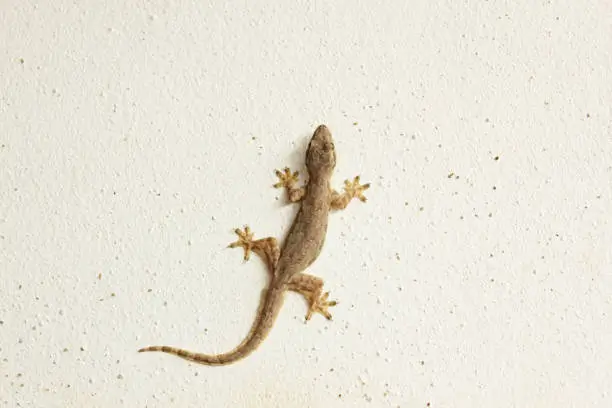
Professional Lizard Control Abu Dhabi for Homes, Villas & Businesses
Lizard activity looks different depending on the type of property, so our approach is adjusted accordingly.
Villa Lizard Control
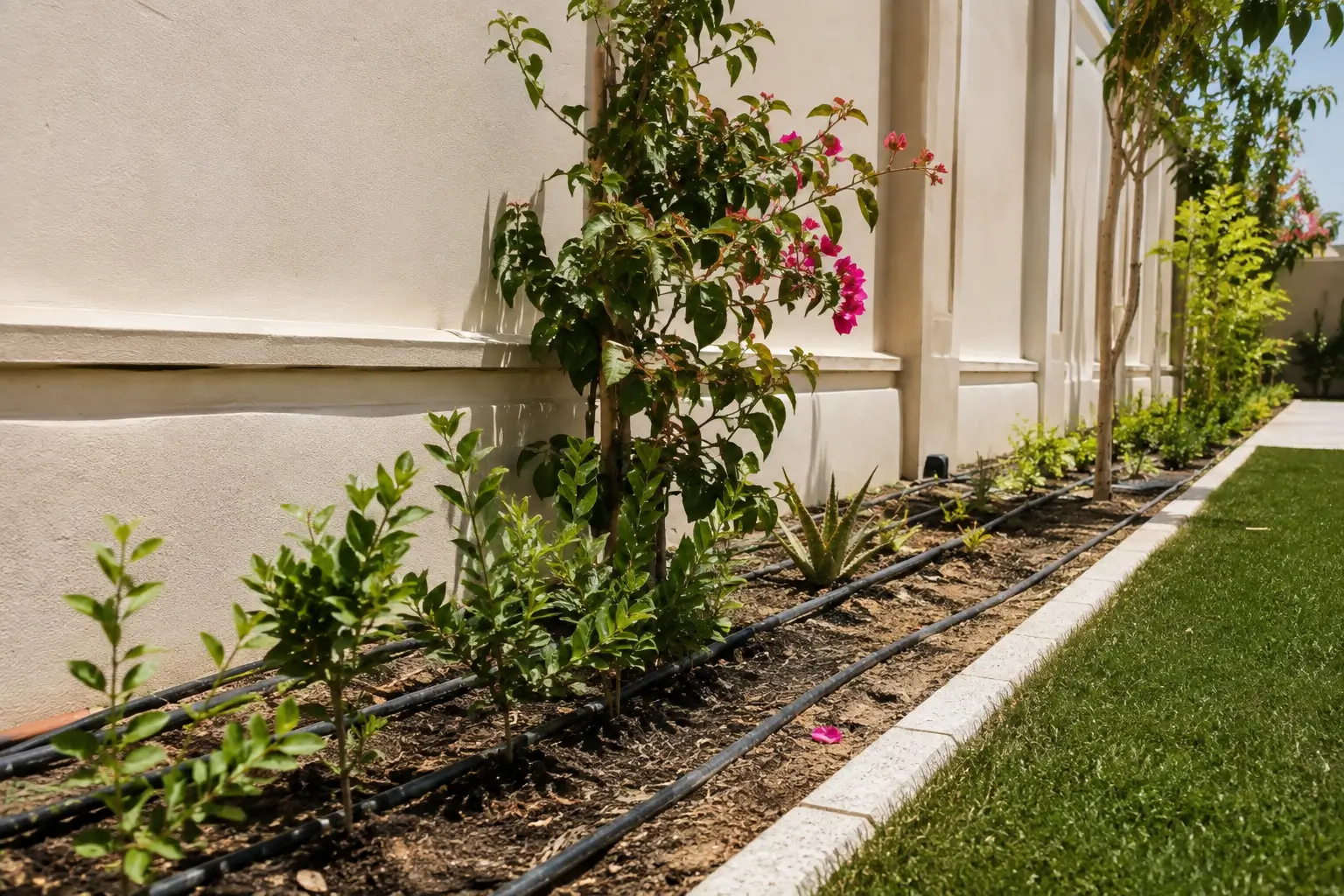
Villas have the most contact points for lizards and geckos: gardens, boundary walls, outdoor lighting, and multiple external doors and windows. Irrigation and landscaping add moisture and insect activity, which increases the food supply available to geckos near the house, so villa treatment usually covers both the building and the surrounding outdoor space.
Apartment & Residential Lizard Control
Apartments have fewer garden-related attractants, but balconies, AC service openings, window gaps, and shared building lighting can still bring geckos close to individual units. Activity in one unit is sometimes connected to conditions in shared corridors or nearby balconies.
Commercial Lizard Control
Commercial properties such as offices, restaurants, and warehouses often deal with lizard activity around loading areas, external lighting, and storage rooms. For food-handling businesses in particular, pest activity needs to be addressed quickly and documented, which shapes how our commercial service is structured.
Why Are Lizards Common Around Abu Dhabi Properties?
Lizards and geckos are usually drawn to a property by a combination of warmth, insects, outdoor lighting, moisture, and sheltered areas. Gardens, irrigation, and gaps around windows, doors, or AC units can all make a property more suitable for them to gather in or enter.
Abu Dhabi’s warm climate can support insect activity for extended periods, creating a consistent food source for geckos around buildings, since insects are the primary food source for house geckos and other small lizards. Outdoor lighting on villas, compounds, and building entrances attracts flying insects at night, and geckos frequently position themselves near these light sources to feed. Shaded outdoor areas, boundary walls, and garages provide shelter from daytime heat, while gardens and irrigation add the moisture that supports ongoing insect activity.
Does every property in Abu Dhabi see the same level of lizard activity? No. Activity is usually heavier on the sides of a property facing gardens, outdoor lighting, or irrigation, and lighter on sides with less vegetation and lighting. The more of these factors overlap in one spot, the more activity that area tends to see.
What Attracts Lizards to Your Property?
Several property conditions can encourage lizard activity, particularly when they provide both food and shelter.
Outdoor Lighting and Insects
Porch lights, garden lights, entrance lighting, and other exterior illumination can attract flying insects at night. Geckos may gather around these areas because the increased insect activity provides an accessible food source.
Gardens and Landscaping
Dense vegetation, shaded planting areas, garden beds, and landscaping close to the building can provide shelter while also supporting insect activity. Keeping vegetation maintained and avoiding unnecessary contact between plants and walls can help reduce potential harbourage areas.
Moisture and Water Sources
Irrigation systems, leaking outdoor taps, drainage issues, and standing water can contribute to insect activity around a property. Reducing unnecessary moisture can therefore help address one of the conditions that may keep lizards close to the building.
Food Availability
Flies, moths, ants, cockroaches, and other small insects can provide a food source for geckos. When insect activity remains high, addressing that underlying pest activity can be an important part of reducing recurring lizard sightings.
Sheltered and Warm Areas
Wall cavities, garages, roller-shutter boxes, gaps around fixtures, and other undisturbed spaces can provide suitable shelter. These areas can become particularly relevant when lizards are repeatedly seen around the same part of a property.
How Do Lizards Enter Abu Dhabi Homes?
Lizards and geckos are small and flexible, which allows them to use gaps that might otherwise be overlooked during a routine check.
| Entry Point | Why It Matters |
|---|---|
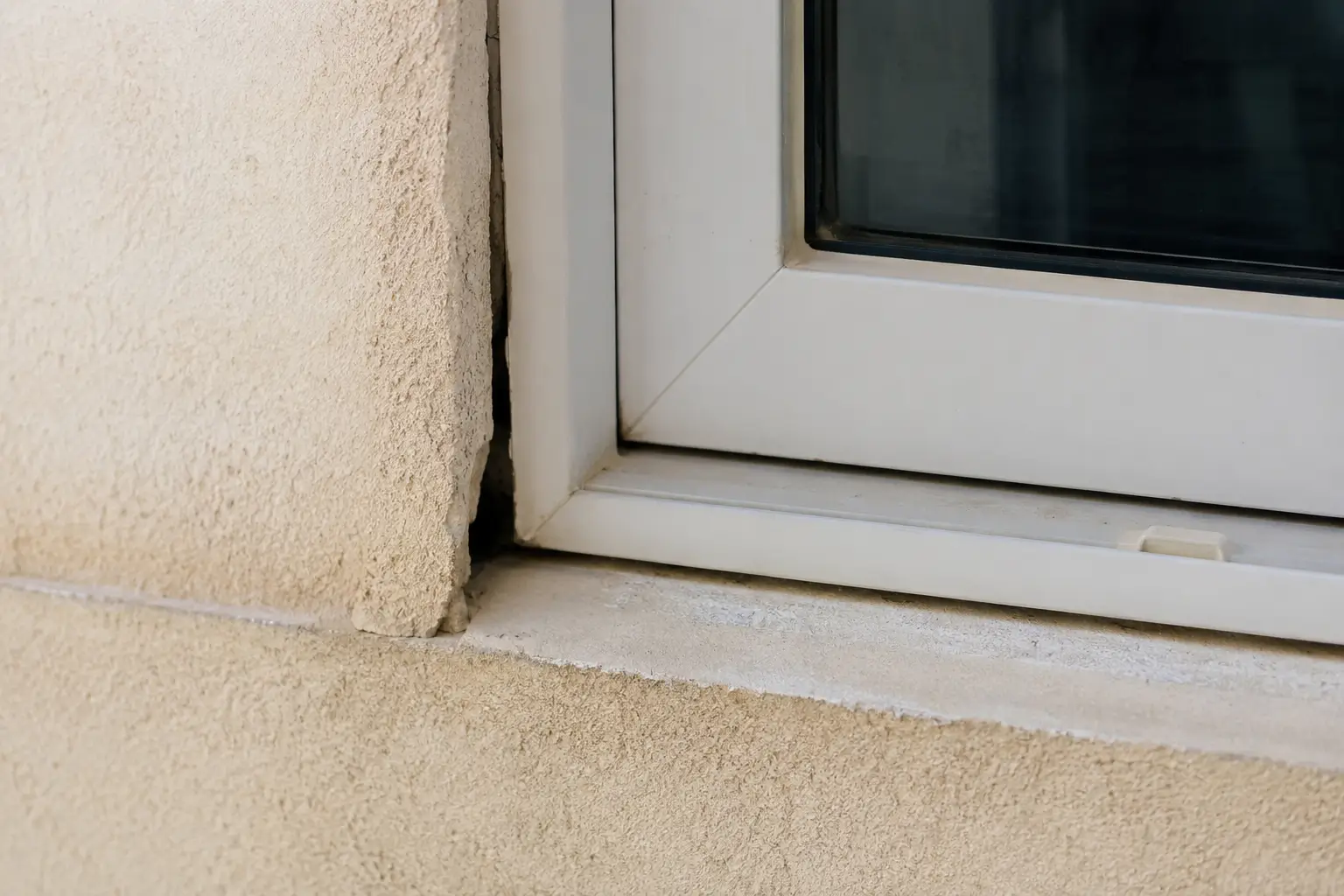
| Windows and window frames | Small gaps at the frame edge are a common entry route |
| Damaged or missing screens | Torn mesh allows both insects and lizards through |
| Doors and door thresholds | Gaps under doors are often large enough for small geckos |
| AC units and service openings | Pipe and cable penetrations frequently have unsealed gaps |
| Vents and utility openings | Poorly sealed vents can allow both entry and shelter |
| Wall cracks and gaps | Cracks near the foundation or wall joints are easy access points |
| Balcony doors and gaps | Sliding door tracks are a frequently missed entry point |
Can lizards enter through small gaps around windows and doors? Yes. House geckos in particular can fit through surprisingly small gaps, so even minor frame damage or a slightly worn door threshold can be enough for entry, especially when there is insect activity nearby to draw them in.
Where Do Lizards and Geckos Hide Inside a House?
Once inside, lizards and geckos tend to move toward warm, sheltered, and undisturbed areas: behind curtains, around ceiling corners near light fittings, behind mounted appliances, inside kitchen cabinets, and around bathroom fixtures.
Do lizards stay in one spot, or move around the house? They tend to return to the same warm, sheltered spot night after night rather than moving randomly, which is why repeated sightings usually cluster in the same room or corner. Pointing this pattern out to the technician helps target the inspection more precisely.
What Are the Signs of a Lizard or Gecko Problem?
Common signs of ongoing activity include repeated sightings in the same rooms, small dark droppings on windowsills or shelves, geckos gathering near outdoor or indoor lighting, movement around window and door frames, and a noticeable presence of insects such as moths or flies near entry points.
How can you tell whether a lizard sighting is isolated or recurring? A single sighting near an open door or window is often incidental. Recurring sightings in the same location, droppings appearing over several days, or consistent activity near the same light source usually point to an established pattern rather than a one-off entry.
Are Lizards and Geckos the Same?
“Lizard” is a broad term covering many reptile species, while geckos are one specific group within that category. House geckos are among the lizards commonly encountered around homes and buildings, which is why people often use “lizard” and “gecko” interchangeably when describing indoor sightings. Correct identification matters because it helps confirm the species involved and the most suitable approach for managing it.
Does it matter whether you call it a lizard or a gecko when booking a service? Not for booking — the treatment approach is largely the same either way. Correct identification matters more for the technician during inspection, since it helps confirm the species involved and fine-tune the approach.
How Does Professional Lizard Control Work?
At American Bite Pest Control, we don’t treat every lizard sighting as a simple spray-and-remove problem. Our technicians first look at where the activity is happening, what is attracting lizards and geckos, and how they may be getting onto the property. Based on those findings, we apply the appropriate treatment and recommend practical steps to reduce future activity.
1. We Inspect the Property
We start by inspecting the areas where lizards or geckos have been seen. Our technicians look for signs of activity, potential entry points, hiding areas, insect activity, moisture, and other conditions that may be contributing to the problem.
2. We Identify What Is Attracting Them
Next, we look at the surrounding conditions rather than focusing only on the lizard itself. Outdoor lighting, gardens, irrigation, moisture, insects, wall gaps, and sheltered areas can all contribute to recurring activity, so we assess how these factors relate to the property.
3. We Address Contributing Insect Activity
Lizards and geckos may remain around a property when there is a readily available food source. If flies, moths, ants, cockroaches, or other insects are contributing to the activity, we address the underlying pest conditions where appropriate as part of the overall control strategy.
4. We Apply Targeted Treatment
Once we’ve identified the areas contributing to the problem, we apply the appropriate treatment or repellent measures to the relevant locations. We don’t rely on blanket spraying across the entire property when targeted treatment is more appropriate.
5. We Help Reduce Future Entry
Treatment alone may not prevent new lizards from entering if access points remain open. Where practical, we identify gaps around windows, doors, AC openings, vents, and other utility points and recommend or assist with suitable exclusion measures.
6. We Monitor and Recommend Follow-Up
After treatment, we assess the level of activity and provide guidance on prevention. If the property has recurring activity or multiple contributing factors, we may recommend a follow-up visit to review the results and determine whether additional measures are needed.
What Should You Expect From the Treatment?
The goal isn’t simply to remove a lizard that happens to be visible at the time of the visit. We aim to address the conditions bringing lizards and geckos close to your property, reduce potential access points, and apply appropriate control measures based on what we find during the inspection.
Is Lizard Control Safe for Children and Pets?
Our technicians apply treatment in a targeted way rather than as a broad application, and specific precautions depend on the products and methods used for that visit. General guidance includes covering food and utensils in treated areas, ventilating as instructed, and following the re-entry timing given by the technician.
Can children stay inside during lizard treatment? This depends on the treatment method used and the areas being treated. Our technicians will advise on re-entry timing and any precautions for that specific visit.
What precautions should pet owners take before treatment? Pets should generally be kept away from treated areas until the technician confirms it is safe to return, and food and water bowls in treatment areas should be covered or moved beforehand. Specific instructions are provided based on the products used.
How Much Does Lizard Control Cost in Abu Dhabi?
Pricing depends on several factors rather than a single flat rate:
| Factor | Why It Affects Price |
|---|---|
| Property size | More areas require more inspection and treatment time |
| Indoor + outdoor scope | Adding garden or perimeter coverage increases the treatment area |
| Number of entry points | Additional gaps or openings mean more exclusion work |
| Current activity level | Heavier activity may call for a follow-up visit |
| One-time vs recurring | A single visit and an ongoing service plan cover different scope |
How should I prepare my home before a lizard treatment? Clear access to windows, doors, and any known problem areas, move food and utensils away from surfaces that will be treated, and let our technician know about any specific areas where activity has been noticed. If pets are kept indoors, having a plan to keep them in an untreated area during the visit helps the process run smoothly.
Lizard Control Services Across Abu Dhabi
American Bite Pest Control serves properties across Abu Dhabi, including Mussafah and Al Ain, alongside the wider emirate. Coverage includes villas, apartment buildings, and commercial premises such as offices, restaurants, and warehouses. If you’re unsure whether your area or property type is covered, our team can confirm this directly when you get in touch.
Why Choose American Bite Pest Control for Lizard & Gecko Control?
American Bite Pest Control operates under a registered Abu Dhabi economic licence and is a member of the Abu Dhabi Chamber. Our technicians hold ECOPEST-certified training, and inspections are carried out on-site rather than quoted without a proper assessment, since our approach is based on the specific attractants and entry points found at each property.
If you’re dealing with recurring lizard or gecko activity, our Abu Dhabi team can carry out an inspection and recommend a suitable approach based on what’s actually happening at your property.
Contact American Bite Pest Control to book a lizard control inspection
Frequently Asked Questions
Do lizards and geckos cause damage to a property?
House geckos are not generally considered structurally damaging, but their presence is often linked to underlying insect activity, and droppings can be a hygiene concern in food-preparation or storage areas.
Are house lizards harmful to people?
Common house geckos found in Abu Dhabi are not typically aggressive toward people and are usually more of a nuisance and hygiene concern than a direct health risk, though droppings and shed skin should still be cleaned up properly.
What do lizard droppings look like, and where are they usually found?
Small, dark, and often with a white tip — most commonly found on windowsills, shelves, and near light fittings where geckos tend to rest.
Does lizard activity change with the seasons in Abu Dhabi?
Insect and lizard activity tends to track with temperature and humidity, so properties may notice more visible activity during warmer, more humid periods.
How long does a lizard control treatment take to complete?
This depends on the size of the property and the areas requiring treatment; a technician can give a more specific estimate after inspecting the property.
Is a one-time lizard treatment enough, or is regular pest management better?
Some properties are resolved with a single visit, while others benefit from an ongoing service plan, particularly where garden vegetation, lighting, or outdoor conditions keep drawing insects and lizards back. This is assessed on a case-by-case basis.
Is lizard control usually combined with general insect control?
Often, yes, since insects are the main food source drawing lizards to a property. Addressing both together tends to give more consistent results than treating lizards in isolation.
Do AC units create a common entry point for lizards?
Unsealed gaps around AC pipe and cable penetrations are a frequently overlooked entry point, and checking these is a standard part of a thorough inspection.
What should I do if I keep finding lizards in the kitchen specifically?
Kitchens often combine warmth, food residue that attracts insects, and multiple hiding spots around appliances, so this pattern is worth mentioning to the technician so those specific areas can be prioritized during inspection.
Call now, send a WhatsApp photo for instant identification, or fill in the contact form.