
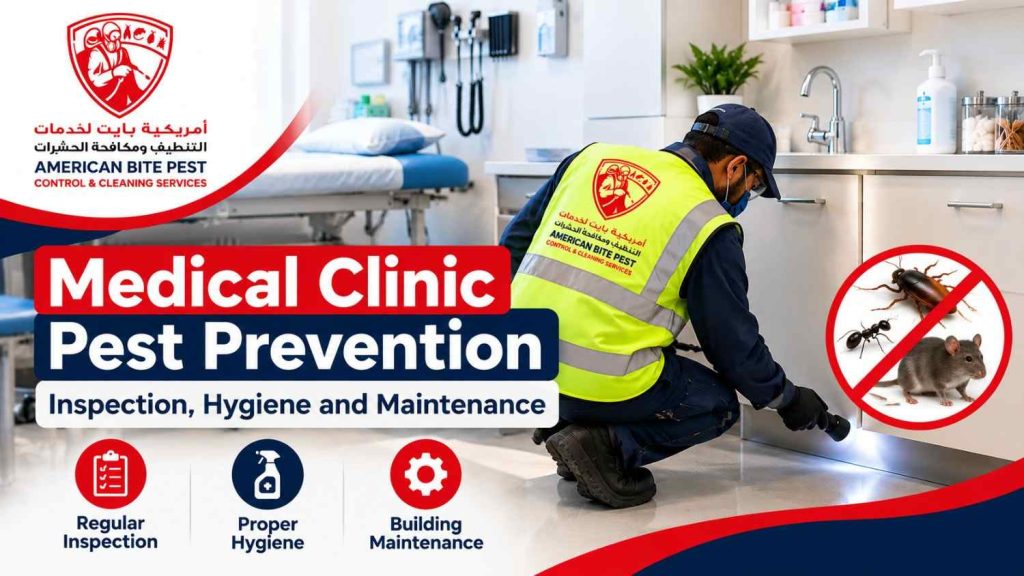
A medical clinic needs regular cleaning and proper building maintenance to keep pests away. Even when patient rooms look clean pests can still enter through doors and windows. They may also hide near plumbing areas and storage spaces.
For clinics in Abu Dhabi pest prevention should be part of daily facility management. Staff need to know what attracts pests and how to report signs of activity. Early action can help prevent a small problem from becoming harder to manage.
Three things matter most. These are regular inspection good hygiene and proper maintenance. When clinic staff follow these steps they can identify possible pest problems and take action at the right time.
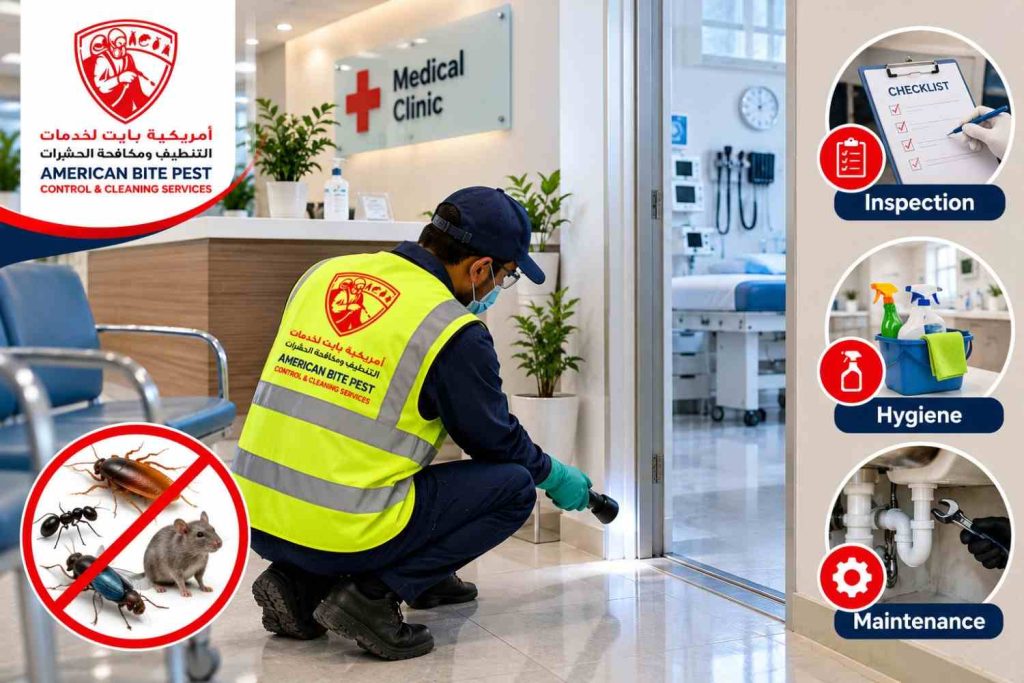
Why Is Pest Prevention Important in Medical Clinics?
Medical clinics must maintain a clean environment for patients and staff. Pests can affect hygiene and damage stored materials. Their presence may also point to problems with waste handling or building maintenance.
Cockroaches ants flies and rodents may enter a building while searching for food water or shelter. They can hide in places that are not checked during routine cleaning. This is why staff should pay attention to areas beyond the waiting room and treatment rooms.
Cleaning is important but it may not solve every pest problem. Clinics may also need to repair entry points and investigate areas where pests are hiding.
The aim is to find out why pests are entering the building and remove the conditions that attract them.
Common Pest Problems in Medical Clinics
Different pests leave different signs. Knowing what to look for can help clinic staff report a problem before it becomes more difficult to manage.
Cockroaches in Kitchens and Utility Areas
Cockroaches often look for food water and sheltered spaces. Staff kitchens and storage cupboards may attract them when food or moisture is easy to reach. They may also hide near pipes and behind cabinets.
Signs of activity can include live cockroaches and droppings. Shed skins may also indicate that an area needs further inspection.
Staff should report repeated sightings and record where they occur. A proper inspection can help identify possible hiding places and entry points.
Ants and Flies Around Food and Waste
Ants may enter through small gaps while looking for food. Flies are often attracted to waste and food residues. These pests may appear around staff kitchens and waste collection areas.
Keep food in sealed containers and clean spills as soon as possible. Waste bins should be emptied and cleaned according to the clinic’s procedures.
If pests continue to appear the source should be investigated. Cleaning the visible area alone may not solve the problem.
Rodents Around Storage and Building Openings
Rodents may enter through gaps around doors and utility pipes. They may also move through damaged parts of a building.
Look for droppings and gnaw marks. Damaged packaging can also be a sign of possible activity.
Staff should report these signs promptly. Any affected supplies should be checked according to the clinic’s hygiene procedures.
How to Inspect a Medical Clinic for Pest Activity
A useful inspection covers the whole clinic. It should include patient areas and spaces used by staff. Storage rooms and utility areas also need attention.
Check Reception and Waiting Areas
Inspect door frames and window edges for gaps. Check corners and areas where food or drinks may be used. Pay attention to repeated insect sightings near entrances.
Keep the area tidy and report any signs of pest activity. If insects keep appearing near the same door it may be necessary to check how they are entering.
Inspect Treatment and Consultation Rooms
Treatment rooms contain medical equipment and supplies. Any pest management work in these areas needs careful planning.
During routine checks staff should report visible pests and signs of moisture. They should also report gaps that may allow pests to enter.
Pest treatment must be coordinated with clinic management. The work should follow the clinic’s cleaning and infection prevention procedures.
Examine Staff Kitchens and Storage Areas
Staff kitchens can attract pests when food crumbs and spills are left behind. Standing water and leaking pipes can also create suitable conditions for some pests.
Check cupboards and accessible areas around sinks and appliances. Store food properly and report leaks to the maintenance team.
Storage rooms should be checked for damaged packaging and signs of insects or rodents. Keep supplies organised so staff can inspect the area more easily.
Check Waste Areas and Building Entry Points
Waste areas need regular attention. Bins should be kept in suitable condition and emptied according to the clinic’s waste management procedures.
Staff should also check door seals and window screens. Gaps around pipes and utility openings may allow pests to enter.
Keep an inspection record. Write down the date and location of each sighting. Record the action taken and check whether the problem returns. These records help the clinic identify repeated issues.
Hygiene Practices That Help Prevent Pests
Good hygiene can reduce the food and waste that attract pests. Staff should understand their responsibilities and follow the clinic’s cleaning schedule.
Keep Food and Work Areas Clean
Clean spills as soon as possible and store food in sealed containers. Staff should avoid leaving food uncovered in kitchens and break rooms.
Pay attention to areas under appliances and behind accessible storage units. Food residues can collect in places that are missed during quick cleaning.
Regular cleaning works best when staff also report leaks and damaged fittings.
Follow Proper Waste Management Procedures
Waste should be stored and removed according to the clinic’s approved procedures. Containers should be emptied when needed and cleaned when dirty.
Medical waste must be handled according to the relevant requirements. It should never be treated like ordinary household waste.
Good waste management helps reduce the conditions that attract flies and other pests.
Report Leaks and Moisture Problems
Leaking taps and damaged pipes can leave areas damp. Some pests are attracted to moisture so these problems should not be ignored.
Staff should report leaks as soon as they notice them. Cleaning the water alone will not solve the issue if the leak continues.
The maintenance team should find the source and arrange suitable repairs.
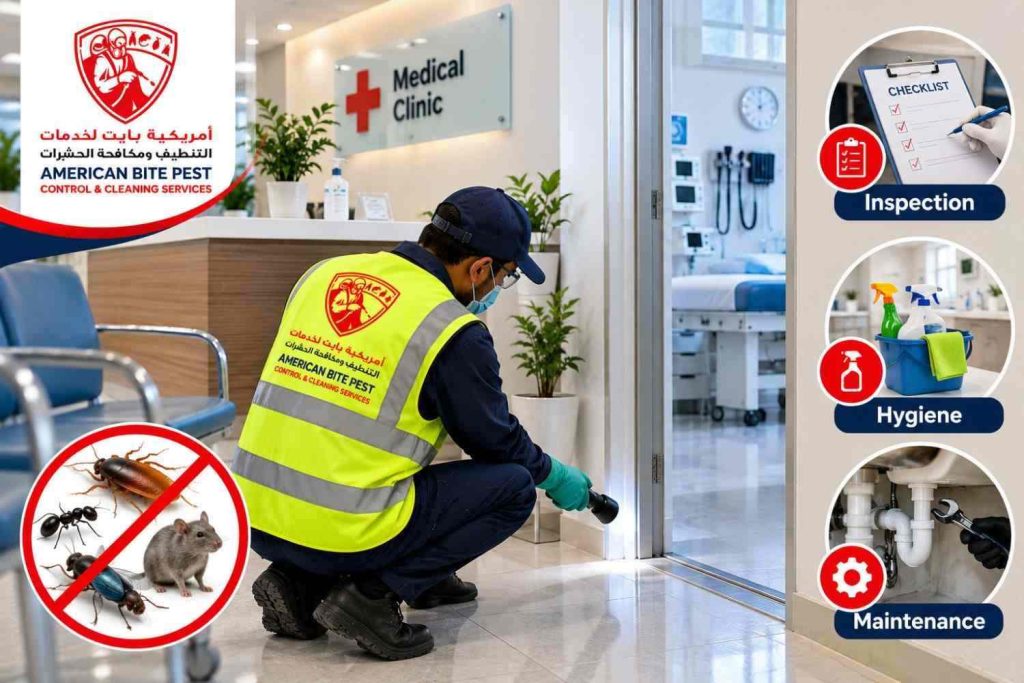
Maintenance Measures That Keep Pests Out
A clean clinic may still have pest problems if insects or rodents can enter through gaps in the building. Regular maintenance helps reduce these opportunities.
Seal Gaps and Repair Damaged Areas
Check for gaps around pipes and service openings. Damaged door frames and window fittings should also be inspected.
Arrange suitable repairs when openings are found. Any repair must meet the building’s safety and ventilation requirements.
Closing entry points can help reduce the chances of pests entering from outside.
Maintain Doors and Windows
Damaged door seals can leave small gaps. Poorly fitted window screens may also allow insects inside.
Check these areas during routine maintenance. Repair damaged seals and screens when needed.
External doors should remain closed when they are not in use and when clinic operations allow it.
Keep Plumbing and Drainage in Good Condition
Plumbing problems can create moisture that attracts pests. Blocked or damaged drainage areas may also need attention.
Report unusual odours and recurring damp areas to the maintenance team. The source should be investigated rather than covered up with cleaning products.
Proper maintenance helps address the conditions that may allow pests to return.
The Role of Professional Pest Management in Clinics
Some pest problems continue even when cleaning and maintenance are carried out properly. Pests may be entering from outside or hiding in places that staff cannot easily inspect.
A professional inspection can help identify the pest and investigate where it may be coming from. The findings can guide the next steps.
Integrated pest management combines inspection and monitoring with preventive measures. Treatment is selected according to the problem rather than used automatically for every sighting.
Medical clinics need extra care when arranging pest treatment. The plan should consider patients and staff as well as medical equipment and supplies.
The provider should explain any preparation and safety steps before work begins. Staff should also receive clear instructions about any area that must remain restricted during or after treatment.
Clinics looking for professional help can learn more about clinic pest control in Abu Dhabi. The service page explains the relevant service and gives clinic managers a place to discuss their needs.
Clinics in Abu Dhabi should also check the local requirements that apply to their premises and pest management arrangements. The Abu Dhabi Public Health Centre provides official information about public health pest control services.
Building a Pest Prevention Schedule
A clear schedule helps staff keep track of daily tasks and recurring problems. The exact inspection frequency should depend on the clinic and its needs.
Daily: Clean work areas and manage waste properly. Store food safely and report any pest sightings.
During routine checks: Inspect storage areas and accessible entry points. Look for signs of moisture and damage.
When a problem occurs: Arrange repairs and investigate repeated pest activity. Seek professional advice when the source is unclear or the problem continues.
After treatment: Follow the provider’s instructions and review the inspection records. Further action may be needed if signs of activity return.
Keep these records in a place where the responsible staff can access them. They help the clinic understand which problems occur repeatedly and what action has already been taken.
When Should a Clinic Contact a Pest Control Professional?
Repeated pest sightings should be investigated. The same applies to signs of rodents and pest activity near sensitive clinical areas.
Staff should report the problem through the clinic’s usual procedure. Management can then assess the affected area and decide what action is needed.
Do not apply household pesticides near patients or medical supplies without confirming that the product is suitable for the intended use. Incorrect treatment may create additional problems.
A professional inspection can help when the source of the activity is not clear or when preventive measures have not worked.
Frequently Asked Questions
How often should a medical clinic be inspected for pests?
The schedule depends on the building and its pest history. Clinics should consider previous sightings and the results of earlier inspections when deciding how often checks are needed.
Can regular cleaning prevent all pest problems?
No. Cleaning removes many common attractants but pests can still enter through gaps in the building. Maintenance and professional treatment may also be needed.
What should staff do after spotting a pest?
Staff should report the sighting and follow the clinic’s hygiene procedures. Repeated activity should be investigated so the source can be identified.
Why is building maintenance important for pest prevention?
Gaps around doors and pipes can allow pests to enter. Leaking pipes can also create moisture. Repairing these problems helps reduce conditions that attract pests.
Can pest treatment take place while a clinic is open?
This depends on the treatment and the affected area. Clinic management should discuss the work with the provider and follow all safety instructions.
Keep Your Clinic Clean and Protected From Pests
Pest prevention requires regular attention. Staff need to keep work areas clean and report signs of pest activity. Maintenance teams must also repair gaps and leaks that may attract pests.
When these steps are followed consistently clinics can respond to problems more effectively. Professional advice may be needed when pests keep returning or the source is difficult to find.
If your clinic has a pest problem you can learn more about American Bite Pest Control’s clinic pest control service in Abu Dhabi.