
Abu Dhabi’s heat, humidity, moisture and building conditions can influence pest behavior and the conditions that support infestations. Professional pest treatment therefore needs to consider both the pest and the conditions allowing it to survive, enter or reproduce on a property. Temperature alone does not determine a pest problem; food, water, shelter, sanitation, landscaping, drainage and structural access can all play a role.
Abu Dhabi has a hot desert climate, with very high summer temperatures and humidity that can be more noticeable in coastal areas. These conditions interact with the way properties are built and maintained, including air conditioning, irrigation, drainage and enclosed indoor spaces.
For homeowners and businesses, the useful question is not simply whether Abu Dhabi’s climate causes pests. It is how local environmental conditions can make a particular property more conducive to pest activity and how that should influence treatment planning.
Why Abu Dhabi’s Climate Matters for Pest Control
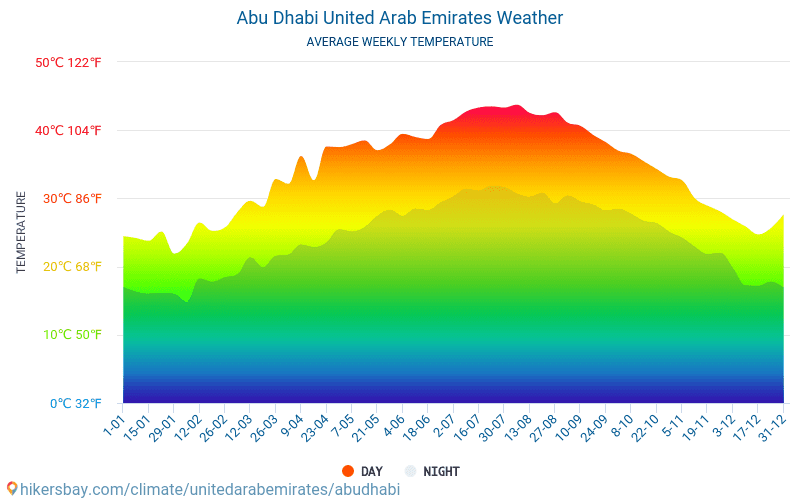
Climate is one factor in a much larger pest-management picture. Temperature, humidity and water availability can influence the environment around a property, while the building itself determines whether pests can access food, water and shelter.
Abu Dhabi properties can have very different conditions depending on their design and surroundings. A landscaped villa may have irrigation, gardens and outdoor drainage to consider. An apartment may require closer attention to kitchens, bathrooms, shared plumbing and service areas. A restaurant may have additional exposure from food storage, waste and frequent deliveries.
Pests generally look for basic resources such as:
- Food
- Water
- Shelter
- Suitable harbourage
- Protected areas
- Routes into buildings
This creates an important distinction:
Climate factor → conducive condition → pest activity → treatment strategy
For example, hot weather can increase the need for landscape irrigation. If irrigation is excessive or poorly directed, it can create damp areas around a building. Those conditions may support certain pests even though the wider environment is dry. The climate is therefore part of the assessment, not the complete explanation.
How Abu Dhabi’s Heat Can Change Pest Behavior
Extreme outdoor temperatures can influence where some pests seek shelter, water or shade, but the effect varies by species and local conditions. During periods of intense heat, protected spaces can offer a different environment from exposed outdoor areas. Buildings provide shade and shelter, while kitchens, bathrooms, utility rooms and storage areas may also provide access to food or moisture.
The contrast can be summarized simply:
- Outdoor: intense heat, direct sunlight and changing water availability.
- Indoor: cooler, sheltered and often air-conditioned environments.
However, this does not mean that every pest automatically moves indoors during summer. Pest behavior depends on species, food availability, moisture, shelter and access points. For example, a cockroach may find suitable conditions around a kitchen sink or drain, while ants may follow food or moisture around landscaping. Mosquitoes are more directly connected to water-holding conditions. This is why professional pest control in Abu Dhabi should identify the actual conditions supporting pest activity instead of assuming that summer heat is the sole cause.
How Humidity and Moisture Affect Pest Activity
Humidity does not automatically create an infestation, but moisture can make specific areas more suitable for certain pests. Potential moisture sources around Abu Dhabi properties include:
- Plumbing leaks
- Condensation
- AC drainage
- Bathrooms
- Kitchens
- Floor drains
- Irrigation systems
- Poor drainage
- Standing water
- Damp storage areas
A property may be surrounded by a dry desert environment but still have localized moisture around a leaking pipe, AC drain or irrigation line. That small area can become more important to pest management than the general outdoor humidity level. Moisture management should therefore be part of pest prevention in Abu Dhabi. Fixing leaks, improving drainage and removing unnecessary standing water can reduce conditions that support pest activity.
Also read > Why Are Mosquitoes So Common Around Abu Dhabi Homes and Villas?
How Abu Dhabi’s Climate Affects Different Pests
Cockroaches
Cockroaches can take advantage of a combination of food, water and sheltered harbourage. In Abu Dhabi homes and businesses, important inspection points can include kitchens, bathrooms, drains, cracks, pipe penetrations, cabinets and areas behind appliances. German cockroaches are commonly associated with warm indoor environments where food and moisture are available. Larger species such as American cockroaches can also be associated with drains, utility areas and external access points.
In apartments and other multi-unit buildings, shared plumbing, service areas and wall voids can also make it important to consider whether pests have routes between connected spaces. Treatment should therefore address more than visible cockroaches. Species identification, harbourage, moisture sources, food availability and entry points all help determine the appropriate control strategy.
Mosquitoes
Mosquito management is strongly connected to water availability rather than temperature alone. Potential breeding or activity areas around a property can include:
- Standing water
- Irrigation areas
- Outdoor containers
- Drains
- Roof drainage points
- Plant saucers
- Water-holding equipment
- Poorly drained landscaping
Even in a generally dry climate, a small amount of persistent water can create a localized mosquito problem. Reducing mosquito activity therefore starts with finding and removing water-holding conditions wherever practical, alongside appropriate professional control measures when necessary.
Ants
Ant activity can be influenced by access to food, moisture and suitable routes around a property. Landscaping and irrigation may create favorable conditions near buildings. Ants can then use cracks, gaps and other entry points to reach indoor food or water. Effective ant control should consider both the visible trail and the conditions allowing ants to access the property.
Termites
Climate is only one factor in termite activity. Moisture, soil conditions, wood, construction details and structural conditions can also influence termite risk. For buildings that are still going up, anti-termite soil treatment during construction deals with that risk early. It would therefore be inaccurate to say that Abu Dhabi’s heat directly causes termites. If termite evidence is found, the appropriate response depends on the species, location, extent of activity and property conditions. A professional inspection can help determine whether treatment or further monitoring is appropriate.
Flies
Fly activity is commonly connected to food, waste, sanitation, drains and moisture. Outdoor waste bins, poorly managed organic waste and drainage problems can create conditions that support flies. This can become particularly relevant around kitchens, restaurants, food-service facilities and commercial premises. Good sanitation and waste management should form part of the control strategy rather than relying only on insecticide treatment.
Rodents
Rodent activity depends on access to food, water and shelter, along with opportunities to enter buildings. Inspection may need to cover waste areas, drainage, landscaping, storage spaces, gaps around doors and pipes, and other potential entry points. Heat can influence where rodents seek shelter, but it should not be treated as the sole explanation for rodent activity.
How Climate Conditions Affect Pest Treatment Planning
Professional pest control is not simply a matter of spraying visible pests. Climate can influence the conditions technicians find during an inspection, but it does not determine the treatment on its own. The pest species, infestation level, property layout, moisture sources, access points, harbourage and treatment area all need to be considered before a control method is selected.
Inspection Comes Before Treatment
A proper inspection helps establish:
- Which pest is present
- Where activity is occurring
- How extensive the problem may be
- Where pests are entering
- Where food is available
- Where water is available
- Where pests are hiding
- Which conditions may support continued activity
This approach fits the principles of Integrated Pest Management, which emphasize identifying the pest and its conditions before selecting appropriate control measures. Abu Dhabi’s responsible-pesticide guidance also provides a framework for professional public-health pest control and responsible pesticide use.
Indoor Treatment Planning
Indoor treatment planning may include:
- Kitchens
- Bathrooms
- Utility rooms
- Drains
- Wall voids
- Cracks and crevices
- Pipe penetrations
- Storage areas
- AC-related areas
The objective is to understand where the pest is living, entering or finding resources, rather than treating only the location where someone happened to see it.
Outdoor Treatment Planning
Outdoor assessment can be equally important, especially for villas, commercial facilities and landscaped properties. Professionals may assess:
- Landscaping
- Irrigation
- Drainage
- Waste areas
- Shaded harbourage
- External walls
- Entry points
- Vegetation close to buildings
- Water-holding areas
This helps connect outdoor conditions with indoor pest activity where a pathway exists.
Does Temperature Affect Treatment Timing?
There is no universal “best time” for pest control based solely on temperature. Treatment timing depends on the pest species, treatment location, environmental conditions, product instructions, safety requirements and site-specific circumstances. Extreme heat should not automatically be described as making pesticides ineffective. Likewise, it would be misleading to claim that pest control must always take place at night. The appropriate timing and application method should follow the product requirements and the conditions of the property. Abu Dhabi’s official pest-control framework emphasizes responsible pesticide management and personal, community and environmental safety.
Why One Pest Treatment May Not Solve the Problem
A treatment can reduce visible pest activity without removing every condition that supports an infestation. For recurring problems, the process is better understood as:
Inspect → Identify → Treat → Remove Conducive Conditions → Monitor → Follow Up
Pests may remain hidden in harbourage areas, continue accessing food or water, or re-enter through structural gaps. Some pests also have life cycles that mean activity may not disappear immediately after one intervention. Follow-up can therefore be useful when site conditions or pest biology warrant it. The number and frequency of treatments should depend on the pest, property and response rather than an arbitrary schedule.
Integrated Pest Management for Abu Dhabi Properties
Integrated Pest Management, or IPM, is a structured approach that combines inspection, identification, prevention, sanitation, exclusion, monitoring and targeted control.
In simple terms, IPM asks: Why is the pest present, where is it coming from, what is supporting it, and what combination of measures can reduce the problem?
An IPM approach can include:
- Inspection to identify pest evidence and conducive conditions.
- Identification to determine the pest species.
- Prevention to reduce access to food, water and shelter.
- Sanitation to remove resources that support pests.
- Exclusion to reduce entry through cracks, gaps and other openings.
- Monitoring to track activity.
- Targeted control when intervention is necessary.
- Follow-up to evaluate the result.
This approach is useful for Abu Dhabi properties because indoor and outdoor conditions can differ significantly.
The Abu Dhabi Public Health Centre (ADPHC) oversees public-health pest-control services in the emirate, including monitoring and control requests for residences, public areas and facilities. ADPHC also oversees work permits and pesticide-management processes for public-health pest-control activities.
How to Reduce Climate-Related Pest Problems
Property owners and managers can reduce many conducive conditions through routine maintenance.
Around the property
- Eliminate standing water where practical.
- Check irrigation systems for leaks or excessive watering.
- Keep outdoor waste areas clean.
- Maintain landscaping and avoid unnecessary clutter near buildings.
- Check drainage areas regularly.
- Remove outdoor containers that can collect water.
Inside the property
- Repair plumbing leaks promptly.
- Check AC drainage for leaks and persistent moisture.
- Keep kitchens clean and food properly stored.
- Clean drains regularly.
- Reduce unnecessary clutter in storage areas.
- Seal suitable cracks and gaps around potential entry points.
- Inspect damp or rarely used areas periodically.
These measures cannot guarantee that pests will never appear, but they can reduce some of the food, water, shelter and access conditions that make a property more conducive to pest activity.
Check this guide > How to Prepare Your Home for Bed Bug Treatment in Abu Dhabi
How Climate-Related Pest Conditions Differ Across Abu Dhabi Properties
Climate-related pest conditions can look different across Abu Dhabi villas, apartments, restaurants, offices and landscaped commercial facilities. A villa may have greater exposure to gardens, irrigation and outdoor water-holding areas. An apartment may require more attention to shared plumbing, service areas, wall voids and entry points. A restaurant or food-service facility may need closer monitoring of food storage, waste, drains and sanitation.
That means the same pest may require a different treatment plan depending on where it is found and what conditions are supporting it. This is one reason a property-specific inspection is more useful than applying the same treatment approach to every building.
When Should You Call a Pest Control Professional in Abu Dhabi?
Professional help may be appropriate when pest activity is recurring, increasing or difficult to trace.
Consider arranging an inspection if you notice:
- Repeated cockroach sightings around kitchens or drains
- Persistent mosquito activity around water-holding areas
- Rodent droppings or other signs of rodent activity
- Evidence of termites
- Increasing ant activity indoors
- Recurring flies around waste or drainage areas
- Pest activity in food-service or commercial facilities
- Continued activity after DIY treatment
A professional assessment can be especially useful when the source of the problem is unclear. The goal should be to identify the pest and the conditions supporting it before selecting an appropriate control strategy.
How American Bite Pest Control Helps With Abu Dhabi Pest Problems
American Bite Pest Control provides pest-control services for residential and commercial properties across Abu Dhabi, including apartments, villas, offices, warehouses and restaurants. The company states that its process begins with inspection and assessment, followed by a treatment plan based on the property and infestation conditions. That approach is relevant to climate-related pest problems because the source may not be the visible pest itself. A technician may need to assess kitchens, bathrooms, drains, landscaping, irrigation, waste areas, structural gaps and other potential harbourage or entry points.
American Bite also lists Integrated Pest Management among its treatment approaches and provides dedicated services for different pest types, including cockroaches, termites, rodents and general insect control. For a specific infestation, readers can explore [cockroach control in Abu Dhabi] or the company’s [main pest control service in Abu Dhabi] page for more information.
Frequently Asked Questions
Does Abu Dhabi’s hot climate increase pest activity?
Abu Dhabi’s heat can influence pest behavior, but it does not automatically cause infestations. Some pests may seek shelter, moisture or food in protected areas when outdoor conditions become difficult. The actual risk depends on the species and whether the property provides suitable food, water, harbourage and entry points.
Why do cockroaches enter homes during Abu Dhabi’s summer?
Cockroaches may enter or become more noticeable indoors when they find suitable food, water and shelter. Kitchens, bathrooms, drains, pipe penetrations and concealed spaces can provide these resources. Heat may influence movement, but it is not accurate to assume that every cockroach enters a property simply because outdoor temperatures are high.
Does humidity affect pest control in Abu Dhabi?
Humidity can influence environmental conditions that are favorable to some pests, but humidity alone does not create an infestation. Leaks, condensation, irrigation, standing water and poor drainage can create localized moisture problems. Effective pest management should identify and address those specific conditions.
Does air conditioning attract pests?
Air conditioning does not automatically attract pests. However, AC systems and surrounding areas can sometimes be associated with condensation, drainage or concealed spaces that provide favorable conditions. If pest activity occurs around an AC-related area, the source should be inspected rather than assuming that the AC itself is attracting pests.
Does Abu Dhabi’s heat make pesticides ineffective?
There is no universal rule that extreme heat makes pesticides ineffective. Treatment performance depends on the product, application conditions, pest species, treatment location and label requirements. Professionals should follow applicable product instructions and safety requirements when determining how and when a treatment should be applied.
Is pest control needed throughout the year in Abu Dhabi?
Pest-control frequency depends on the pest, property conditions, level of activity and environmental factors. Some properties may benefit from regular monitoring, while others may only need treatment when pest activity is identified. There is no single schedule that is appropriate for every Abu Dhabi property.
Why does pest control sometimes require follow-up?
Follow-up may be necessary when pests have hidden harbourage, ongoing access to food or water, structural entry points or life cycles that make immediate elimination difficult. Monitoring helps determine whether activity has declined and whether additional corrective measures are needed.
Final Thoughts
Abu Dhabi’s climate can influence pest problems by shaping temperature, humidity, moisture and environmental conditions around buildings. But climate is rarely the only factor. Food, water, sanitation, landscaping, drainage, structural gaps and pest-specific behavior all matter.
For homeowners and businesses, routine maintenance can reduce many pest-friendly conditions. If pest activity keeps returning or the source is difficult to identify, a professional inspection can help determine what is supporting the problem and which treatment approach is appropriate for the property.
If you need professional pest treatment in Abu Dhabi, American Bite Pest Control provides residential and commercial pest-control services and offers inspections and treatment plans based on the property and pest problem.