
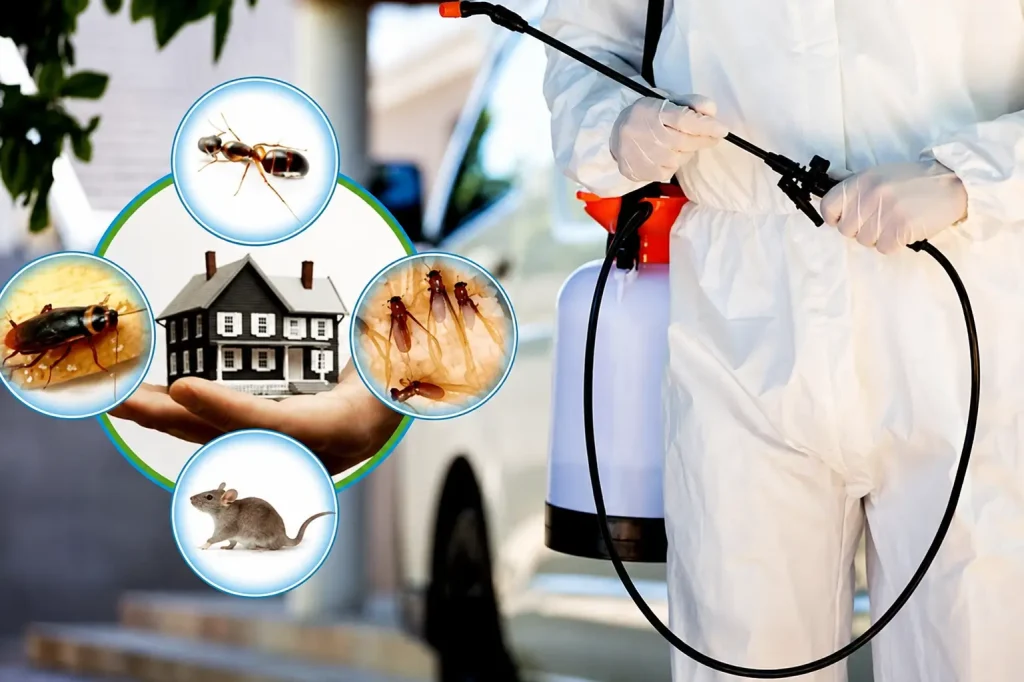
Seeing a few pests after treatment doesn’t always mean the service failed. It’s common to notice increased pest activity for a short time as insects and rodents leave their hiding places after coming into contact with treated areas or bait. However, if the problem continues for several weeks or keeps returning, there may be an underlying cause that needs further attention.
Recurring infestations in Abu Dhabi are often linked to hidden nesting sites, moisture, shared utility ducts, or untreated neighbouring properties. Every pest behaves differently, so cockroaches, termites, rodents, bed bugs, ants, and birds may require different treatment methods or follow-up visits. Working with an experienced pest control company in Abu Dhabi helps address the source of the infestation, not just the visible pests.
This guide explains why pests return after treatment, when it’s considered normal, and what you can do to keep your home or business pest-free.
Is It Normal to See Pests After Treatment?
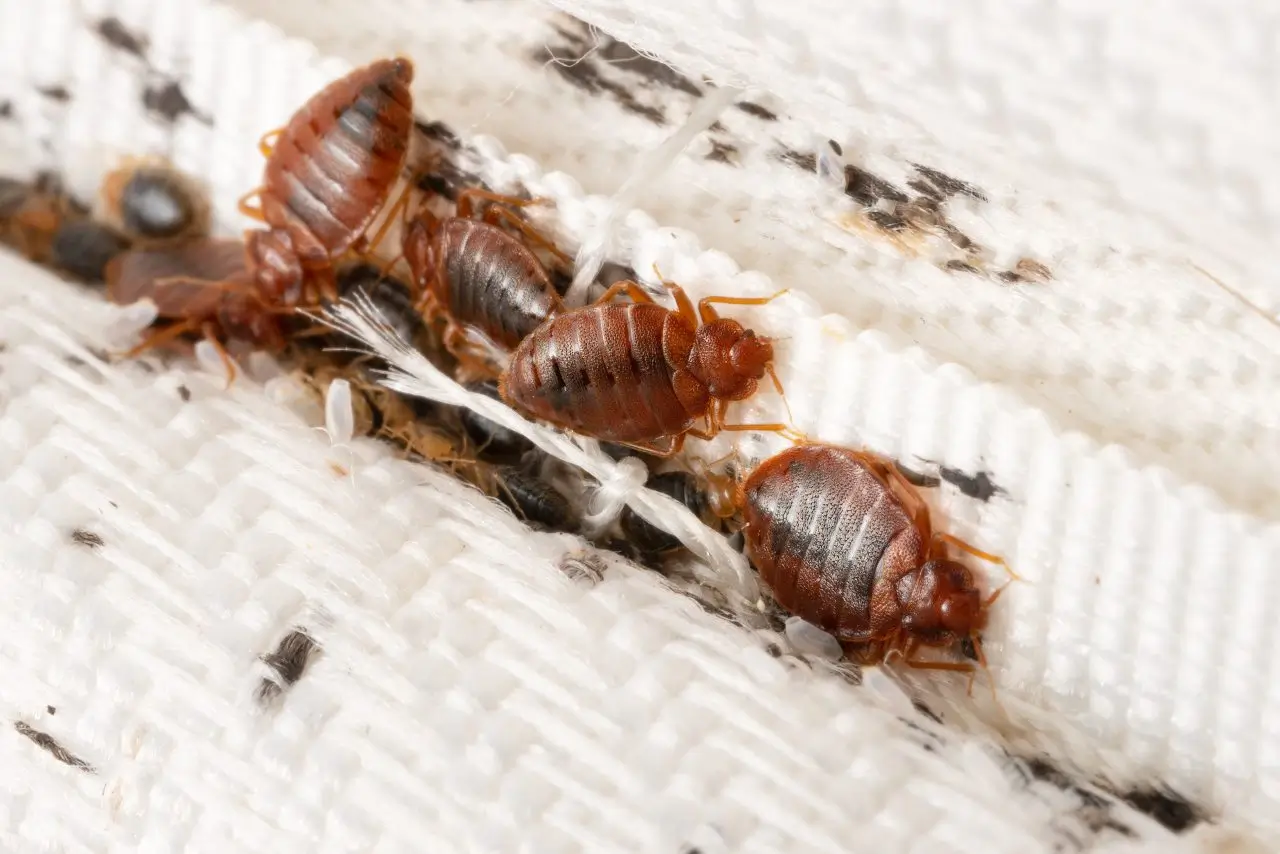
Yes. Seeing some pest activity after a professional treatment is usually normal, especially during the first few days. Products such as gel baits, residual insecticides, and rodent bait stations are designed to work over time rather than killing every pest instantly. As pests leave their nesting areas in kitchen cabinets, false ceilings, wall voids, floor drains, utility shafts, and storage rooms, they’re more likely to be seen before the treatment takes full effect.
The timeline depends on the pest. Cockroaches and ants may remain visible for several days as they carry bait back to the colony, while bed bugs, termites, and rodents often require follow-up treatments to completely break their breeding cycle. If pest activity continues beyond the timeframe recommended by your technician or starts increasing again after an initial decline, it may indicate an active nest, untreated entry points, or reinfestation from neighbouring units—an issue commonly seen in apartment buildings and mixed-use developments across Abu Dhabi.
8 Reasons Pests Keep Coming Back After Treatment
1. Hidden Nesting Areas Were Never Reached
Pests rarely stay in open spaces. Cockroaches hide behind kitchen cabinets, under sinks, inside utility ducts, floor drains, and false ceilings, while rodents nest in storage rooms and ceiling voids. If these areas remain inaccessible during treatment, part of the infestation may survive.
2. Eggs Hatched After the Treatment
Many pest control products target active pests but don’t destroy every egg. Cockroaches, bed bugs, and some insects continue their life cycle after treatment, which is why newly hatched pests may appear days or weeks later. This is one of the main reasons follow-up visits are recommended.
3. Food, Water, and Shelter Are Still Available
Leaking pipes, overflowing bins, uncovered food, pet feeding areas, and standing water continue to attract pests even after treatment. In Abu Dhabi’s hot climate, moisture around kitchens, bathrooms, AC drain lines, and irrigation systems creates ideal conditions for cockroaches, ants, and mosquitoes.
4. New Pests Are Entering Through Unsealed Gaps
Small openings around doors, windows, plumbing pipes, cable entry points, and ventilation vents allow pests to re-enter the property. Without sealing these entry points, new pests can replace the ones that were eliminated.
5. The Infestation Is Coming From a Nearby Property
This is common in apartment buildings, labour accommodations, restaurants, and commercial complexes. Pests can travel through shared service ducts, drainage systems, utility shafts, and false ceilings, causing repeated infestations even after your unit has been treated.
6. DIY Products Were Used After Professional Treatment
Applying household sprays over professionally treated areas can interfere with gel baits and residual insecticides. Instead of improving results, it may reduce the effectiveness of the original treatment.
7. Follow-Up Treatment Was Missed
Some infestations cannot be eliminated in a single visit. Bed bugs, termites, rodents, and severe cockroach infestations often require scheduled follow-up treatments to remove newly active pests and monitor the results.
8. The Wrong Treatment Was Used
Different pests require different control methods. A treatment that works for ants won’t eliminate termites, and a general insect spray won’t solve a bed bug infestation. Correct pest identification is essential for long-term control.
Also read > 10 Signs You Need Pest Control Immediately
Why Different Pests Return for Different Reasons
Not all pests return for the same reason. Their behaviour, nesting habits, and breeding cycles determine how quickly they reappear after treatment. Understanding the cause helps you know whether the activity is part of the treatment process or a sign that additional action is needed.
| Pest | Why They Return After Treatment |
|---|---|
| Cockroaches | Hidden egg cases hatch after treatment, or moisture around kitchens, floor drains, and plumbing areas continues to attract them. |
| Ants | Treating visible ants doesn’t eliminate the colony. If the nest remains active, new worker ants continue following the same trails. |
| Termites | The main colony may survive if only visible damage is treated. Complete termite control often requires specialised soil or baiting treatments. |
| Bed Bugs | Eggs are highly resistant to many treatments. Newly hatched bed bugs may appear days later, making follow-up visits essential. |
| Rodents | Rats and mice quickly return if entry points remain open or food and water sources are still available. |
| Birds | Pigeons often return to familiar nesting sites unless balconies, rooftops, AC units, and solar panels are properly bird-proofed. |
In many Abu Dhabi properties, recurring infestations are linked to shared service ducts, false ceilings, utility shafts, irrigation systems, AC condensate drain lines, and neighbouring units rather than the treatment itself. Identifying these conditions is just as important as eliminating the pests, as it helps prevent the infestation from returning.
Also Read > What to Do Before and After Pest Control Treatment
How to Stop Pests from Coming Back
Long-term pest control doesn’t depend on treatment alone. It also requires removing the conditions that allow pests to survive and re-enter your property. Once the infestation has been controlled, these steps can help reduce the risk of another outbreak:
- Fix water leaks promptly. Leaking pipes, AC condensate drain lines, and damp areas under sinks provide a constant water source for cockroaches, ants, and rodents.
- Seal pest entry points. Close gaps around plumbing pipes, electrical conduits, windows, doors, and ventilation openings where pests commonly enter.
- Store food correctly. Keep dry food, pet food, and grains in airtight containers, and avoid leaving dirty dishes or uncovered food overnight.
- Maintain outdoor areas. Trim vegetation touching exterior walls, remove standing water, and keep waste bins tightly closed to discourage rodents, mosquitoes, and birds.
- Don’t skip follow-up visits. Some infestations, particularly bed bugs, termites, and severe cockroach problems, require additional treatments to eliminate newly hatched pests and monitor results.
- Schedule preventive inspections. For villas with landscaped gardens, restaurants, warehouses, cafés, supermarkets, and apartment buildings, routine inspections help identify pest activity before it develops into a larger infestation.
Preventing reinfestation is often easier and less expensive than treating a widespread problem. Combining professional pest control with regular property maintenance provides the best long-term protection for homes and businesses across Abu Dhabi.
Frequently Asked Questions
Why am I still seeing cockroaches after pest control?
It’s common to see cockroaches for several days after treatment. As they come into contact with gel baits or treated surfaces, they leave their hiding places before dying. If activity continues beyond the timeframe advised by your technician, a follow-up inspection may be needed.
Why do ants keep coming back after treatment?
Ants often return when the colony survives or a new colony enters through gaps around doors, windows, or utility pipes. Eliminating visible ants alone won’t solve the problem if the nest remains active.
Can rain affect pest control treatments?
Outdoor treatments may be less effective after heavy rain, especially around gardens, landscaped areas, and building perimeters. Indoor treatments are generally not affected, but your pest control provider may recommend a follow-up visit if necessary.
Should I use insect spray after professional pest control?
No. Household insect sprays can interfere with professional gel baits and residual treatments, reducing their effectiveness. If pest activity continues, contact your pest control company instead of applying additional products.
How long should I wait before requesting another treatment?
This depends on the pest being treated. Cockroaches and ants usually show noticeable improvement within a few days, while bed bugs, termites, and rodents often require scheduled follow-up visits. Always follow the treatment timeline provided by your technician.
Can pests return from neighbouring apartments?
Yes. In many apartment buildings and mixed-use developments, pests can move through shared utility shafts, plumbing lines, false ceilings, service ducts, and drainage systems. Treating one unit may not completely stop recurring infestations if nearby properties remain affected.