
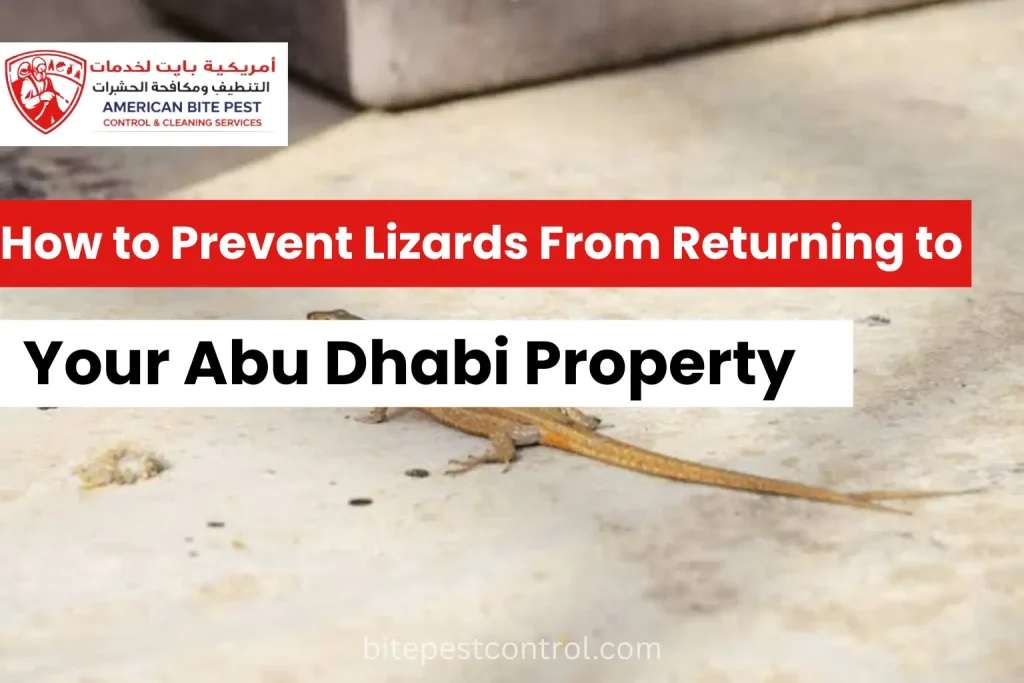
Seeing lizards repeatedly around your Abu Dhabi property usually means the surrounding conditions are still supporting their activity. Gardens, irrigation, outdoor lighting, insects and small gaps around windows, doors or AC units can all contribute. Preventing them from returning therefore means addressing these conditions rather than simply removing the lizards you see.
Why Do Lizards Keep Returning to Abu Dhabi Properties?
Recurring sightings usually happen because the property continues to offer suitable conditions, not because lizards are simply passing through. Geckos and house lizards stay close to areas that reliably provide food, warmth, moisture and cover. In most Abu Dhabi homes, that combination comes from a mix of insect activity near outdoor lighting, garden beds that stay consistently moist from irrigation, dense plantings against exterior walls, and small unsealed gaps around windows, doors, vents or AC pipework. None of these factors alone is usually the whole story; it’s the combination that keeps a property attractive over time. Addressing them individually, rather than only removing lizards as they appear, is what actually reduces recurring activity.
Reduce the Insects That Attract Lizards
Food availability is one of the main factors that can keep lizards and geckos around a property, and insects are their primary food source. Flies, moths, mosquitoes, ants and cockroaches are common prey, and where these insects gather in numbers, geckos tend to follow. Outdoor lighting is one of the biggest contributors here, since bright lights near entrances, balconies and garden areas attract flying insects in the evening, which in turn creates a reliable feeding spot right beside your walls, windows and doors. Gardens with flowering plants, exposed food waste near outdoor kitchens or barbecue areas, and standing water can all add to the available insect population.
Reducing insect activity around the property can help make it less attractive to geckos, though it’s rarely a complete solution on its own. It works best as one part of a broader approach that also addresses shelter and entry points, which we’ll come to below.
Manage Gardens and Irrigation Around Your Property

Landscaped gardens are common around many Abu Dhabi villas, and they’re also one of the biggest influences on lizard activity. Overwatering or a leaking irrigation line can leave garden beds and grass consistently damp, and that moisture supports the insect life that lizards feed on. Standing water near planters, drainage points or garden furniture has a similar effect.
Dense vegetation adds another layer to the problem. Plants that are allowed to grow thick and close together create shaded, humid microclimates that insects favor, and they also give lizards cover to move around undetected. This becomes particularly relevant where plants are touching exterior walls or growing up against window frames and door surrounds, since it effectively creates a bridge between the garden and the building itself. Garden beds positioned directly beside entry doors or ground-floor windows deserve extra attention for the same reason.
Checking irrigation timers and drip lines for leaks, trimming vegetation back from walls and openings, and avoiding excessive watering in beds close to the house can all help reduce the conditions that keep lizard activity concentrated near your living areas.
Also Read > How Abu Dhabi’s Climate Affects Pest Treatments
Seal Potential Entry Points
Even when outdoor conditions are well managed, small unsealed gaps can still give lizards a route indoors. Common access points around Abu Dhabi properties include gaps in window screens or damaged mesh, worn door thresholds, sliding door tracks that don’t close flush, and openings around AC pipe penetrations or other utility lines running through exterior walls. Vents that lack proper mesh covering are another frequent entry route.
A periodic visual check of these areas, particularly after any exterior maintenance work, can catch small gaps before they become a recurring access point. Weatherstripping, door sweeps and simple screen repairs are usually within a homeowner’s reach. That said, we’d suggest leaving anything connected to electrical fittings or HVAC components to a qualified technician rather than attempting to seal or modify them yourself, since improper sealing around these systems can create other issues.
Review Outdoor Lighting Around the Property
The link between lighting and lizard activity comes back to insects: bright lights draw flying insects at night, and geckos position themselves nearby to feed on them. This is why it’s common to see geckos gathered around entrance lights, garden lighting, balcony fixtures and patio lights after dark, often quite close to the wall or ceiling directly above a doorway.
You don’t need to remove necessary security or entrance lighting to make a difference here. It’s more about being thoughtful with placement and intensity, particularly for lights positioned very close to windows or door frames. Where practical, moving fixtures slightly further from openings, using warmer or lower-intensity bulbs that attract fewer insects, or switching off decorative garden lighting that isn’t serving a security purpose can all reduce the insect draw right at your entry points.
Keep Vegetation and Boundary Areas Maintained
Boundary walls, garden edges and the perimeter of the property are natural travel routes for lizards moving between neighboring gardens and your own. Overgrown plants and bushes touching exterior walls provide continuous cover, allowing lizards to move along the building line with little exposure. Clutter left against exterior walls, whether it’s stacked garden tools, stored materials or unused planters, adds further hiding spots close to the structure.
Keeping vegetation trimmed back from wall surfaces, maintaining clear space along boundary walls, and clearing unnecessary clutter from these edges reduces the continuous cover that supports lizard movement around the property line.
Keep Garages, Storage and Utility Areas Less Attractive
Garages, outdoor storage areas and utility spaces often go unmaintained for long stretches, which makes them appealing to lizards looking for quiet, undisturbed shelter. Gaps under garage doors, small wall gaps around utility penetrations, and general clutter all contribute to this. Insects are frequently more active in these spaces too, particularly where organic waste, cardboard or stored items sit undisturbed for weeks at a time.
Keeping these areas organized, checking door seals at garage entrances, and addressing any insect activity you notice in storage spaces can reduce how attractive these areas are as shelter, without requiring a full overhaul of how you use the space.
Monitor Areas Where Lizards Keep Appearing
If lizards keep showing up in the same location, whether that’s the same window, the same garden light, the same AC opening or the same corner of a room, it’s worth paying closer attention to that specific spot rather than treating each sighting as unrelated. Repeated activity in one area often points to an unresolved attractant or access point nearby, such as a persistent insect source, a garden condition close to that wall, or a gap that hasn’t been fully sealed. Keeping a simple mental note, or even a quick log, of where sightings happen can help you and, if needed, a pest control technician identify what’s actually driving the activity rather than guessing.
When Should You Consider Professional Inspection?
Most of the steps above are things a homeowner can manage directly, and consistent attention to them does make a real difference over time. That said, there are situations where basic prevention isn’t enough on its own. If sightings continue despite these efforts, if lizards keep entering indoor areas rather than staying outdoors, if you suspect multiple entry points around the property, or if garden and perimeter conditions are proving difficult to manage on your own, a professional inspection can help identify what’s being missed.
At American Bite Pest Control, our technicians assess these factors together rather than in isolation, looking at insect activity, garden and irrigation conditions, and structural entry points as part of a single picture. If you’re dealing with ongoing activity that basic prevention hasn’t resolved, our professional lizard and gecko control services in Abu Dhabi can help identify the specific conditions involved and address them directly. Persistent insect activity around the property may also point to a broader issue worth having assessed through our mosquito control or cockroach control services, since reducing the underlying food source often supports longer-term lizard prevention as well.